In today’s fast-moving digital world, people spend more time online than ever before. Smartphones, social media platforms, online work, streaming services, and nonstop notifications have become a major part of everyday life. While technology has made communication easier and information more accessible, it has also created a new mental health challenge that many people are silently struggling with — digital burnout.
From the moment people wake up, many immediately check their phones, scroll through social media feeds, respond to messages, watch videos, or consume endless streams of information. This constant digital connection leaves very little time for the mind to truly rest. Over time, excessive screen exposure and online pressure can quietly affect emotional well-being, concentration, sleep quality, stress levels, and overall mental health.
Many individuals experience symptoms like mental exhaustion, anxiety, lack of motivation, irritability, and poor focus without realizing that unhealthy digital habits may be contributing to the problem. In 2026, digital burnout is becoming increasingly common among students, workers, content creators, gamers, and even young children who spend long hours connected to screens every day.
The pressure to always stay updated online can also create emotional stress. Social media comparison, information overload, negative news cycles, and the fear of missing out can make people feel emotionally drained and disconnected from real life. Even though technology is designed to make life easier, too much digital exposure without balance can negatively affect both mental and physical health.
Digital burnout is more than just feeling tired after using devices. It is a growing mental health issue that can reduce productivity, damage relationships, lower self-esteem, and increase the risk of anxiety and emotional fatigue. Recognizing the warning signs early and building healthier digital habits can help protect long-term emotional wellness.
Understanding how technology affects the brain and learning natural ways to manage digital stress can help people restore balance, improve focus, sleep better, and create a healthier relationship with the online world.
What Is Digital Burnout?
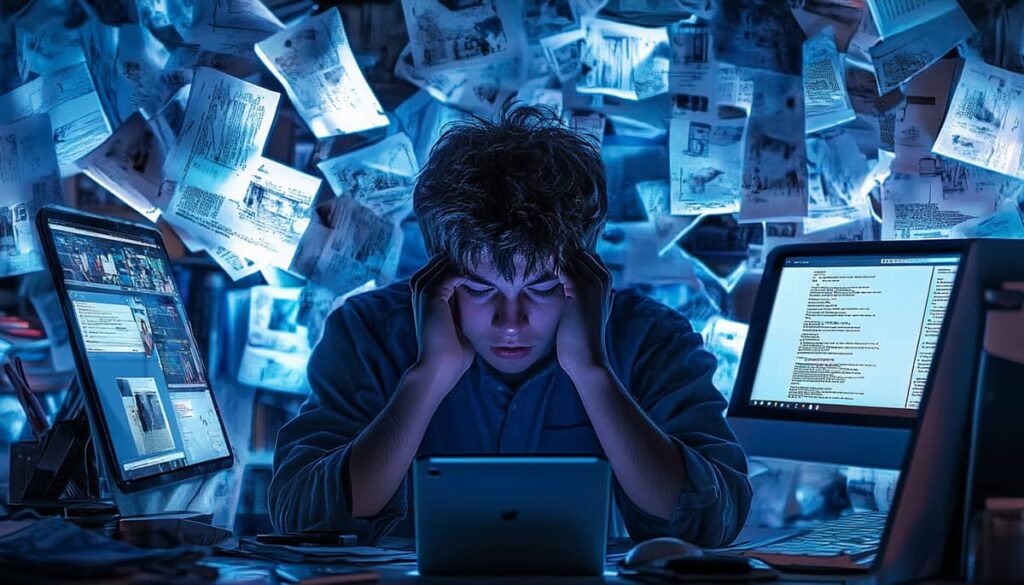
Digital burnout is a state of mental and emotional exhaustion caused by excessive use of technology. It often happens when people spend too much time on smartphones, computers, tablets, gaming devices, or social media platforms without giving their minds enough time to rest.
Unlike normal tiredness, digital burnout can leave a person feeling emotionally drained, anxious, distracted, and unmotivated for long periods.
Common causes include:
- Constant social media use
- Working long hours online
- Information overload
- Continuous notifications
- Lack of offline relaxation
- Poor work-life balance
- Excessive exposure to negative news
Signs of Digital Burnout
Recognizing the warning signs early can help prevent serious mental health problems later.
1. Mental Exhaustion
One of the biggest symptoms is feeling mentally tired even after resting. Your brain constantly processes information online, making it difficult to relax.
2. Difficulty Concentrating
Too much screen exposure can shorten attention span and reduce focus during daily tasks.
3. Increased Anxiety
Constant notifications, social comparison, and online pressure can increase stress and anxiety levels.
4. Poor Sleep Quality
Using phones late at night exposes the brain to blue light, which can interfere with healthy sleep patterns.
5. Mood Changes
People experiencing digital burnout may become irritable, emotionally sensitive, or unmotivated.
6. Feeling Disconnected in Real Life
Spending too much time online can weaken real-life social interactions and relationships.
How Technology Affects Mental Health
Technology itself is not bad. In fact, it helps people communicate, learn, and work efficiently. The problem begins when digital use becomes excessive and unbalanced.
Research continues to show that unhealthy digital habits can contribute to:
- Stress
- Anxiety
- Depression symptoms
- Low self-esteem
- Sleep disorders
- Emotional fatigue
Social media comparison is especially harmful because many people compare their real lives to the edited highlights of others online.
Natural Ways to Recover From Digital Burnout
The good news is that digital burnout can be managed naturally with healthy lifestyle changes.
1. Take Daily Screen Breaks
Giving your mind regular breaks from screens helps reduce mental fatigue. Even short breaks can improve focus and mood.
Try:
- Walking outside
- Stretching
- Reading a physical book
- Spending time with family
- Practicing mindfulness
2. Limit Social Media Time
Reducing time spent on social platforms can lower stress and improve emotional well-being.
Setting app limits or scheduled offline periods can help create healthier digital habits.
3. Improve Sleep Habits
Avoid screens at least one hour before bedtime. This helps the brain relax naturally and improves sleep quality.
Healthy sleep habits support emotional stability and mental recovery.
4. Practice Mindfulness and Meditation
Mindfulness exercises help calm the mind and reduce stress caused by digital overload.
Simple breathing exercises, meditation, or quiet reflection can improve mental clarity and emotional balance.
5. Spend More Time Outdoors
Nature has powerful mental health benefits. Outdoor activities can reduce anxiety, improve mood, and help the brain recover from constant stimulation.
Even a short daily walk can make a big difference.
6. Create Tech-Free Zones
Keeping phones away during meals, family time, or bedtime encourages healthier relationships and better mental focus.
Why Mental Health Awareness Matters More Than Ever
Mental health is just as important as physical health. As technology continues to grow, protecting emotional well-being becomes increasingly important.
Learning to balance digital life with real-life experiences can help people stay happier, healthier, and more productive.
Small daily changes can protect mental health and prevent long-term burnout.
Final Thoughts
Digital burnout is one of the biggest hidden mental health challenges of modern life. Constant screen exposure, social media pressure, and information overload can quietly affect emotional well-being over time.
The good news is that recovery is possible through healthy habits, mindful technology use, proper rest, and real-world connections. By creating better digital boundaries, people can improve focus, reduce stress, and enjoy a healthier, more balanced life in 2026.
Prioritizing mental health today can lead to a happier and more peaceful future.