Modern life moves fast. Notifications never stop, schedules stay packed, and many people feel mentally exhausted before the day even ends. In 2026, more people are searching for a healthier and calmer way to live — and that is where slow living comes in.
Slow living is not about being lazy or avoiding responsibilities. It is about living intentionally, reducing unnecessary stress, and focusing on what truly matters. This lifestyle helps improve mental clarity, emotional well-being, productivity, and overall happiness.
If you constantly feel overwhelmed, distracted, or emotionally drained, learning the art of slow living may completely transform your daily life.

What Is Slow Living?
Slow living is a lifestyle focused on mindfulness, simplicity, and balance. Instead of rushing through life, people who practice slow living prioritize quality over quantity.
This lifestyle encourages people to:
- Spend less time stressed
- Focus on meaningful experiences
- Build healthier routines
- Improve work-life balance
- Take care of mental and physical health
Slow living does not mean giving up goals or ambition. It simply means creating space to enjoy life without constant pressure.
Why Slow Living Is Becoming Popular in 2026
Many people today experience:
- Digital burnout
- Anxiety from constant online activity
- Sleep problems
- Mental fatigue
- Lack of personal time
As a result, slow living has become one of the biggest lifestyle trends in 2026. People are choosing calm routines, healthier habits, and intentional living to protect their mental health and happiness.
The rise of remote work and digital lifestyles has also made many individuals realize that nonstop productivity can lead to exhaustion instead of success.
Signs You May Need a Slower Lifestyle
You may benefit from slow living if you:
- Feel mentally tired every day
- Struggle to relax without checking your phone
- Constantly rush through tasks
- Feel disconnected from yourself
- Have trouble sleeping peacefully
- Rarely enjoy the present moment
- Feel overwhelmed by responsibilities
Recognizing these signs early can help you avoid long-term stress and burnout.
10 Simple Ways to Practice Slow Living
1. Start Your Morning Without Your Phone
Instead of immediately checking notifications, begin your morning calmly. Stretch, drink water, pray, meditate, or simply enjoy silence for a few minutes.
A peaceful morning can positively affect your entire day.
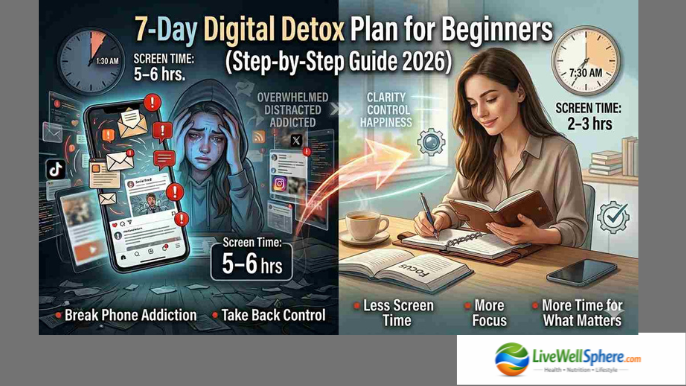
2. Reduce Screen Time
Too much screen exposure can increase stress and reduce focus. Set daily limits for social media and unnecessary scrolling.
Use technology intentionally rather than automatically.
3. Create a Simple Daily Routine
A structured but calm routine helps reduce mental overload. Focus on essential tasks instead of overloading your schedule.
Simple routines often create more peace and productivity.
4. Spend More Time in Nature
Walking outside, gardening, or sitting in fresh air can improve mood and reduce stress levels naturally.
Nature helps the mind slow down and recharge.
5. Practice Mindful Eating
Instead of rushing meals, eat slowly and enjoy your food. Mindful eating improves digestion and helps create a healthier relationship with food.
6. Learn to Say No
One major cause of stress is overcommitting. Protect your energy by saying no to unnecessary obligations.
Not every opportunity deserves your time.
7. Focus on Quality Relationships
Spend more time with supportive family members and friends. Meaningful conversations and emotional connections are essential for a balanced lifestyle.
8. Declutter Your Space
A messy environment can increase mental stress. Organizing your room or workspace creates a calmer atmosphere and improves focus.
9. Prioritize Rest and Sleep
Rest is productive. Quality sleep improves mood, energy, concentration, and overall health.
Try creating a relaxing nighttime routine away from screens.
10. Enjoy the Present Moment
Slow living teaches people to appreciate small moments — drinking tea, listening to music, watching sunsets, or spending quiet time alone.
Happiness often exists in simple experiences.
Benefits of Slow Living
Practicing slow living consistently can lead to:
- Reduced stress and anxiety
- Better mental health
- Improved sleep quality
- Increased focus and productivity
- Stronger relationships
- Greater emotional balance
- Better physical well-being
- More happiness and life satisfaction
Many people discover that slowing down actually helps them live more fully.
Slow Living and Mental Health
Mental health experts increasingly emphasize the importance of rest, mindfulness, and emotional balance. Constant pressure and overstimulation can negatively affect mental well-being.
Slow living encourages healthier habits that support emotional stability and reduce burnout. Even small lifestyle changes can make a big difference over time.
Common Myths About Slow Living
“Slow living means being unproductive.”
False. Slow living focuses on meaningful productivity instead of constant busyness.
“Only wealthy people can live slowly.”
False. Anyone can practice simple habits like reducing screen time, resting properly, and simplifying routines.
“Slow living is boring.”
False. Many people actually feel happier and more fulfilled after slowing down and becoming more present.
Final Thoughts
In a world filled with pressure, noise, and constant distractions, slow living offers a healthier path forward. Choosing a calmer and more intentional lifestyle can improve your mental health, relationships, focus, and overall happiness.
You do not need to change your entire life overnight. Small daily habits — like reducing screen time, spending time in nature, and prioritizing rest — can create powerful long-term results.
Sometimes the best way to move forward in life is to slow down and truly enjoy the journey.