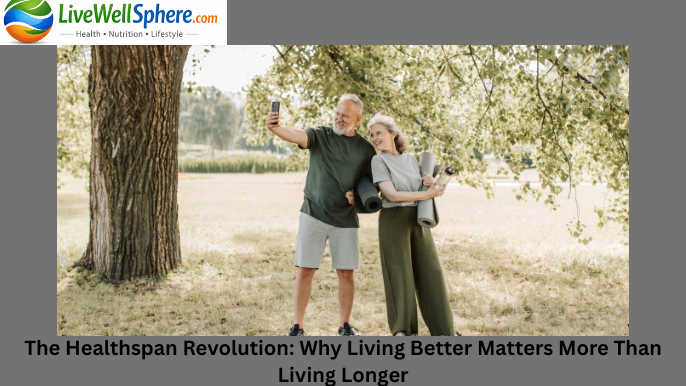
The Healthspan Revolution: Why Living Better Matters More Than Living Longer
For decades, the conversation around longevity focused on one simple question: How can we live longer?
Today, scientists, health experts, and wellness researchers are asking a different question:
How can we live better for longer?
This shift has given rise to what many call the Healthspan Revolution—a movement that prioritizes the quality of life over simply increasing the number of years lived. Instead of aiming only for a longer lifespan, people are increasingly focused on extending their healthspan, the years spent in good physical, mental, and emotional health.
The goal isn’t just reaching 90 or 100 years old. The goal is reaching those ages while remaining active, independent, mentally sharp, and full of purpose.

What Is Healthspan?
Lifespan refers to the total number of years a person lives.
Healthspan refers to the years lived free from major chronic diseases and significant physical or cognitive decline.
A person may live to 90 but spend the final 15 years struggling with poor health. Another may live to 85 while staying active and healthy until late life. The second individual has a longer healthspan even with a shorter lifespan.
This distinction is transforming modern longevity science.
Why the Healthspan Revolution Is Growing
Several trends are fueling interest in healthspan:
1. People Are Living Longer Than Ever
Advances in medicine, sanitation, and nutrition have increased life expectancy worldwide. However, longer lives don’t automatically mean healthier lives. Many people spend years managing chronic conditions such as heart disease, diabetes, obesity, and cognitive decline.
2. Prevention Is Becoming a Priority
Instead of waiting for illness to appear, modern wellness strategies emphasize prevention through exercise, nutrition, sleep, and stress management. This proactive approach aims to maintain function and vitality throughout life.
3. Scientific Research Is Advancing Rapidly
Researchers are uncovering how aging affects cells, inflammation, metabolism, sleep, and brain health. These discoveries are helping experts identify habits that can slow biological aging and improve long-term health outcomes.
The Four Pillars of a Longer Healthspan
1. Movement as Medicine
Physical activity remains one of the most powerful longevity tools available.
Research consistently shows that regular aerobic exercise improves cardiovascular health, reduces inflammation, preserves muscle mass, and supports brain function. Even moderate activities such as walking can have significant benefits.
Practical Tips:
- Walk daily
- Strength train 2–3 times per week
- Reduce prolonged sitting
- Take movement breaks throughout the day
2. Nutrition for Healthy Aging
Nutrition plays a critical role in determining long-term health.
Studies suggest that diets rich in vegetables, fruits, legumes, whole grains, healthy fats, and lean proteins support healthy aging while reducing chronic disease risk. Processed foods and excessive sugar intake can accelerate age-related health problems.
Healthy Longevity Foods:
- Leafy greens
- Berries
- Beans and legumes
- Nuts and seeds
- Fatty fish
- Fermented foods
3. Prioritizing Sleep
Sleep is no longer viewed as passive downtime.
Scientists now recognize quality sleep as essential for cellular repair, memory consolidation, immune function, and metabolic health. Poor sleep is associated with accelerated aging and increased disease risk.
Sleep Goals:
- Maintain a consistent sleep schedule
- Limit screen exposure before bed
- Create a cool, dark sleeping environment
- Aim for 7–9 hours nightly
4. Building Strong Social Connections
Longevity isn’t only about biology.
Research increasingly shows that meaningful relationships contribute significantly to physical and mental health. Social isolation has been linked to higher risks of depression, cardiovascular disease, and early mortality.
Ways to Strengthen Connections:
- Spend time with family
- Join community groups
- Volunteer regularly
- Maintain close friendships
The Emerging Role of Purpose in Longevity
One of the most fascinating discoveries in longevity research is the importance of having a sense of purpose.
Experts increasingly recognize that people who feel connected to meaningful goals often experience better mental well-being and greater resilience as they age. Modern healthspan strategies now emphasize contribution, creativity, learning, and community involvement as key ingredients for healthy aging.
Purpose gives people a reason to stay active, engaged, and optimistic throughout life.
Common Myths About Longevity
Myth 1: Longevity Is Mostly Genetic
While genetics matter, lifestyle choices play a major role in determining health outcomes. Daily habits significantly influence long-term health and aging trajectories.
Myth 2: Expensive Biohacks Are Necessary
Many evidence-based longevity strategies are completely free:
- Walking
- Better sleep
- Stress management
- Healthy eating
- Social engagement
These habits consistently outperform many trendy wellness shortcuts.
Myth 3: It’s Too Late to Start
Research shows that positive lifestyle changes can benefit people at virtually any age. Improvements in fitness, diet, and sleep can enhance healthspan even later in life.
The Future of the Healthspan Revolution
The future of longevity is shifting away from anti-aging promises and toward functional health.
Experts increasingly focus on maintaining:
- Mobility
- Strength
- Cognitive performance
- Independence
- Emotional well-being
- Purpose and fulfillment
This broader view of aging recognizes that a truly successful long life is one lived with energy, resilience, and meaning.
Conclusion
The Healthspan Revolution is changing how we think about aging.
Rather than chasing extra years alone, people are learning to invest in habits that improve the quality of those years. Regular movement, nutritious food, quality sleep, meaningful relationships, and a strong sense of purpose remain some of the most powerful tools for healthy aging.
Longevity is no longer just about adding years to life.