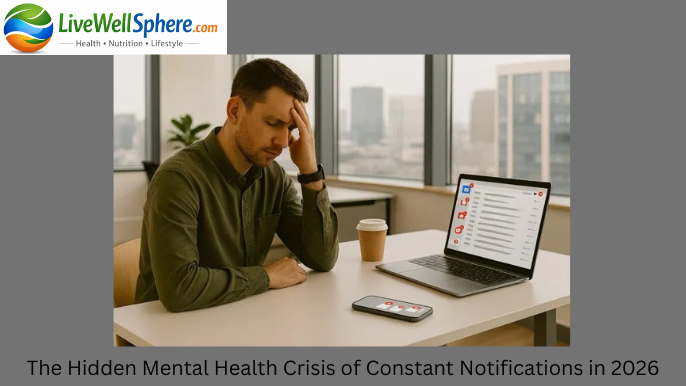
The Hidden Mental Health Crisis of Constant Notifications in 2026
In 2026, people are more connected than ever. Smartphones, smartwatches, messaging apps, social media platforms, and workplace tools keep us informed every second of the day. While technology has improved communication and productivity, there is a growing concern about its impact on mental health.
One of the biggest yet often overlooked issues is notification overload. The endless stream of alerts, messages, reminders, and updates can create stress, anxiety, and mental fatigue. Understanding how constant notifications affect the brain is the first step toward building healthier digital habits.
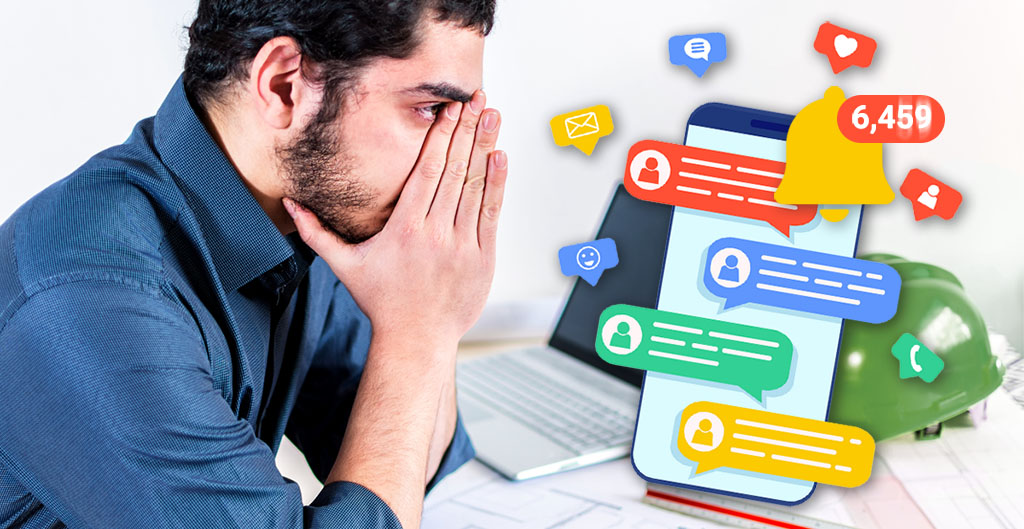
What Is Notification Overload?
Notification overload occurs when a person receives more digital alerts than they can comfortably process. These interruptions may come from:
- Social media apps
- Messaging platforms
- Email notifications
- News alerts
- Shopping apps
- Productivity tools
- Smart devices
While each notification may seem harmless, their combined effect can significantly impact mental well-being.
How Constant Notifications Affect Mental Health
1. Increased Anxiety Levels
Every notification creates a sense of urgency. The brain begins anticipating the next alert, keeping the nervous system in a heightened state of alertness.
Over time, this can contribute to:
- Increased anxiety
- Restlessness
- Difficulty relaxing
- Constant feelings of pressure
Many people report feeling stressed even when they are not actively using their devices.
2. Reduced Attention Span
Frequent interruptions train the brain to switch tasks repeatedly. This constant context switching makes it harder to maintain deep focus.
Consequences include:
- Poor concentration
- Lower productivity
- Difficulty completing tasks
- Increased mental exhaustion
In 2026, maintaining focus has become one of the most valuable skills for mental wellness.
3. Sleep Disruption
Notifications arriving during the evening can interfere with healthy sleep routines.
Late-night alerts may:
- Delay bedtime
- Interrupt sleep cycles
- Increase nighttime stress
- Reduce sleep quality
Poor sleep is closely linked to anxiety, depression, mood swings, and reduced emotional resilience.
4. Emotional Burnout
Being constantly available can create a feeling of never truly being “off duty.”
This digital pressure often leads to:
- Emotional fatigue
- Irritability
- Mental exhaustion
- Reduced motivation
Without proper boundaries, the brain has little opportunity to recover from daily stress.
Why Notifications Feel So Hard to Ignore
Notifications trigger the brain’s reward system. Each alert creates anticipation that something important, exciting, or socially rewarding may have happened.
This psychological response can make checking notifications feel automatic, even when they are not urgent.
Over time, people may develop habits such as:
- Checking phones repeatedly
- Interrupting conversations
- Constantly refreshing apps
- Feeling uncomfortable when disconnected
These behaviors can increase stress rather than reduce it.
Signs That Notifications Are Affecting Your Mental Health
You may be experiencing notification overload if you:
- Feel anxious when your phone vibrates
- Check your device immediately after receiving alerts
- Struggle to focus without interruptions
- Feel overwhelmed by messages and emails
- Have difficulty relaxing offline
- Experience stress from being constantly reachable
Recognizing these signs early can help prevent long-term mental strain.
Practical Ways to Reduce Notification Stress
Turn Off Non-Essential Notifications
Not every app deserves immediate attention. Disable alerts that do not serve a meaningful purpose.
Keep notifications only for:
- Family communication
- Important work matters
- Essential reminders
- Emergency alerts
Create Notification-Free Periods
Set specific times each day when notifications are silenced.
Examples include:
- During meals
- Before bedtime
- During focused work sessions
- While exercising
These breaks allow the brain to recover from constant stimulation.
Use Focus Modes
Most modern devices offer focus settings that limit interruptions.
Focus modes can help:
- Improve concentration
- Reduce stress
- Increase productivity
- Support healthier digital habits
Establish a Digital Curfew
Avoid checking notifications at least one hour before bedtime.
This simple habit can improve:
- Sleep quality
- Mood regulation
- Mental clarity
- Emotional well-being
The Future of Mental Health in a Connected World
Technology will continue to evolve, but mental health must remain a priority. Learning to manage notifications is not about rejecting technology—it is about using it intentionally.
In 2026, digital wellness is becoming an essential part of mental wellness. People who create healthy boundaries around notifications often experience lower stress levels, better focus, improved sleep, and greater emotional balance.
Final Thoughts
Constant notifications may seem like a normal part of modern life, but their impact on mental health is significant. From increased anxiety and reduced concentration to sleep disruption and emotional burnout, digital interruptions can quietly affect daily well-being.
By turning off unnecessary alerts, creating notification-free periods, and establishing healthier digital boundaries, you can regain control of your attention and support long-term mental health in an increasingly connected world.