The global obsession with longevity has reached new heights in 2026. From expensive supplements and anti-aging treatments to strict diets and biohacking routines, millions of people are searching for ways to extend their lives.
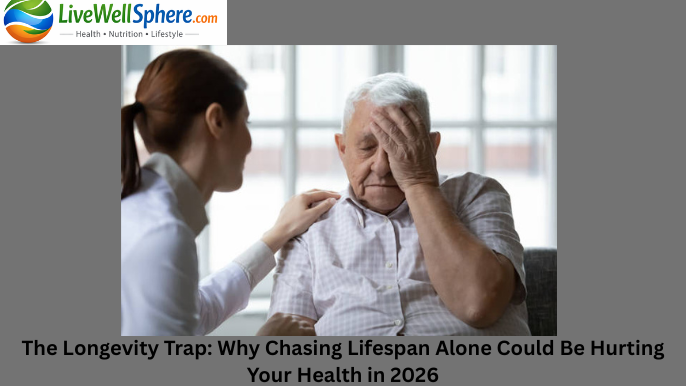
But there is a growing problem that health experts are beginning to recognize: many people are falling into what can be called the Longevity Trap.
The Longevity Trap occurs when the pursuit of a longer life becomes more important than living a healthier, happier, and more meaningful life today. Instead of improving overall well-being, some individuals become consumed by tracking biomarkers, following extreme health trends, and chasing the latest longevity hacks.
Recent research continues to show that the foundations of healthy aging remain surprisingly simple: regular physical activity, nutritious eating, quality sleep, stress management, social connections, and purposeful living. These factors consistently outperform most trendy anti-aging claims.
Understanding the Longevity Trap can help you focus on what truly matters: increasing your healthspan, not just your lifespan.

What Is the Longevity Trap?
The Longevity Trap is the belief that every health decision should maximize the number of years you live, even when those choices reduce your quality of life.
Examples include:
- Constantly worrying about aging.
- Spending excessive money on unproven supplements.
- Following restrictive diets that create stress.
- Avoiding enjoyable experiences in the name of longevity.
- Becoming obsessed with health tracking devices and metrics.
The irony is that chronic stress and anxiety can negatively affect health outcomes, making extreme longevity pursuits counterproductive.
Lifespan vs. Healthspan
One of the biggest misconceptions in modern wellness is confusing lifespan with healthspan.
Lifespan
The total number of years you live.
Healthspan
The number of years you remain physically active, mentally sharp, independent, and free from major chronic disease.
Modern longevity science increasingly emphasizes healthspan rather than simply extending life. Researchers argue that adding healthy years matters far more than simply adding years.
A person who lives to 80 with excellent physical and mental health may experience a far higher quality of life than someone who lives to 95 while struggling with severe chronic illness.
The Rise of the Longevity Industry
The anti-aging industry has become a multi-billion-dollar market.
Today people can buy:
- Biological age tests
- Longevity supplements
- NAD+ boosters
- Specialized fasting programs
- Genetic testing services
- Wearable health trackers
- Experimental anti-aging therapies
While some innovations show promise, experts continue to warn that many popular longevity products are supported more by marketing than by strong scientific evidence.
This creates confusion for consumers who may believe expensive interventions are necessary for healthy aging.
Why Simple Habits Still Win
Despite advances in longevity research, the strongest evidence continues to support basic lifestyle habits.
1. Regular Exercise
Physical activity remains one of the most powerful longevity tools available.
Studies consistently associate exercise with:
- Lower cardiovascular disease risk
- Better metabolic health
- Stronger muscles and bones
- Improved cognitive function
- Longer healthy life expectancy
Research published in 2026 found that lifestyle interventions outperformed certain widely discussed longevity medications in reducing long-term chronic disease risk.
2. A Nutrient-Dense Diet
Diet remains a cornerstone of healthy aging.
Research suggests that eating patterns rich in:
- Vegetables
- Fruits
- Legumes
- Whole grains
- Healthy fats
may positively influence biological aging markers and overall health.
Rather than searching for miracle foods, consistency matters most.
3. Quality Sleep
Sleep supports:
- Brain health
- Hormonal balance
- Immune function
- Cellular repair
Poor sleep has repeatedly been linked to accelerated aging and increased disease risk. Discussions within longevity research increasingly highlight sleep as one of the most underestimated health factors.
4. Social Connection
Longevity is not only biological.
Strong relationships can improve:
- Emotional resilience
- Mental health
- Stress management
- Overall life satisfaction
People with meaningful social connections often experience better long-term health outcomes than those who are socially isolated.
5. Purpose and Meaning
A growing body of evidence suggests that having a sense of purpose contributes to healthy aging.
Whether through family, work, volunteering, hobbies, or personal goals, purpose helps people remain engaged and resilient throughout life.
Traditional longevity cultures often emphasize purpose as strongly as nutrition and exercise.
The Hidden Cost of Longevity Obsession
Ironically, becoming overly focused on longevity can create problems such as:
Increased Anxiety
Constant monitoring of health metrics may increase stress and health-related worry.
Financial Strain
Many longevity products come with significant costs despite limited evidence.
Reduced Enjoyment
Extreme dietary restrictions and rigid routines can diminish everyday happiness.
Information Overload
New longevity claims emerge almost daily, making it difficult to separate evidence from hype.
The healthiest approach is often one that balances evidence-based habits with flexibility and enjoyment.
Building a Sustainable Longevity Lifestyle
Instead of chasing every new anti-aging trend, focus on sustainable habits:
Move Daily
Aim for regular physical activity that you enjoy.
Eat Mostly Whole Foods
Build meals around nutrient-rich foods rather than restrictive rules.
Prioritize Sleep
Treat sleep as a non-negotiable part of your health routine.
Manage Stress
Practice mindfulness, relaxation, or hobbies that support emotional well-being.
Stay Connected
Invest time in friendships, family, and community.
Keep Learning
Mental stimulation helps maintain cognitive health as you age.
These strategies are supported by decades of research and remain the foundation of healthy longevity.
Conclusion
The Longevity Trap reminds us that living longer should never come at the expense of living well.
The most effective path to longevity is not found in expensive shortcuts, miracle supplements, or extreme routines. It is built through consistent daily habits that improve physical health, mental well-being, and overall life satisfaction.
In 2026, the goal is no longer simply to add years to life. The real challenge is to add life to those years.
By focusing on healthspan instead of obsessing over lifespan, you can create a future that is not only longer but healthier, happier, and more fulfilling.