

It’s 3:07 in the afternoon. You ate lunch a little over two hours ago, and it was fine. Maybe a sandwich, maybe a bowl of pasta, maybe the “healthy” granola thing from the café downstairs. But now your eyelids feel heavy, your focus has gone somewhere without you, and the vending machine is starting to look like a good idea.
Most of us blame ourselves when this happens. We say we lack discipline, or we need more coffee, or we just aren’t “afternoon people.” But there’s a good chance the real story is happening in your bloodstream, and it has far more to do with what was on your plate than with your willpower.
This is a guide to blood sugar balance: what it actually means, why it affects how you feel hour to hour, and the practical, unglamorous habits that help keep your energy steady. You don’t need a continuous glucose monitor, a supplement stack, or a complicated diet. You need a handful of small changes you can start at your very next meal.
A quick note before we start. This article is general education, not medical advice. If you have diabetes, prediabetes, or you take medication that affects blood sugar, talk to your doctor or dietitian before changing how you eat. We’ll come back to that near the end.
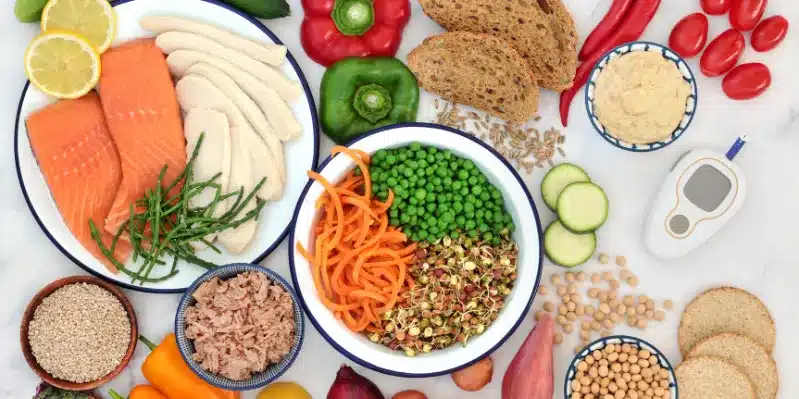
What “Blood Sugar Balance” Actually Means
Whenever you eat carbohydrates, your body breaks them down into glucose, a simple sugar that travels through your blood and fuels your cells. Your brain, in particular, is a heavy glucose user.
As glucose enters your blood, your pancreas releases insulin. Think of insulin as a key that helps unlock your cells so glucose can move inside and be used for energy or stored for later. When everything works well, your blood sugar rises after a meal, insulin does its job, and levels drift back down to a comfortable range.
“Balanced” blood sugar doesn’t mean flat. Your glucose is supposed to move up and down through the day. The goal is to avoid the extremes: huge, fast climbs followed by steep drops that leave you foggy, shaky, irritable, or ravenous.
Here’s the pattern many people live in without realizing it:
- You eat something that digests quickly, like a sugary cereal, a pastry, white bread with jam, or a sweet coffee drink.
- Glucose floods into your blood quickly.
- Your body releases a strong wave of insulin to handle it.
- Glucose drops, sometimes below where you started, and you feel tired, hungry, or on edge.
- You reach for more fast carbs to feel better, and the cycle begins again.
Not everyone experiences this the same way. Some people ride the rollercoaster without noticing. Others feel it every single afternoon. Genetics, sleep, stress, activity levels, body composition, and what you ate earlier in the day all change how your body responds to the same food.
Why the 3 PM Crash Happens (and Why It’s Not Just in Your Head)
The classic afternoon slump has several causes, and blood sugar is only one of them. Your body also has a natural dip in alertness in the early afternoon, tied to your circadian rhythm. That dip happens even if you skip lunch entirely. So let’s be fair: not every yawn at 3 PM is a glucose problem.
But food can make the dip much deeper. A lunch built mostly from refined carbohydrates, with little protein, fiber, or fat, tends to digest fast. That can mean a quick glucose surge, a strong insulin response, and a drop in energy an hour or two later.
Compare that to a lunch with the same amount of carbohydrate but paired with protein, vegetables, and some healthy fat. Those extras slow the speed at which food leaves your stomach and enters your bloodstream. The rise in glucose is gentler, the dip is smaller, and you’re far more likely to feel normal at 3 PM.
Other things that quietly make the crash worse:
- Skipping breakfast or eating a very light one, then overcompensating at lunch.
- Sleeping poorly, which makes your body temporarily less responsive to insulin.
- High stress, which raises stress hormones that nudge blood sugar upward.
- Sitting still for hours, since muscles are one of the main places glucose gets used up.
- Dehydration, which can mimic tiredness and make hunger signals confusing.
The encouraging part is that nearly all of these are things you can influence.
Do Glucose Spikes Matter If You’re Healthy?
You’ve probably noticed that blood sugar has become a wellness obsession. Wearable glucose monitors, influencers sharing their post-meal graphs, and books promising to “hack your glucose” are everywhere. So it’s worth asking honestly: do small spikes matter if you don’t have diabetes?
Here’s the balanced answer. Blood sugar rises after meals in everyone, and that’s normal. A healthy body handles it. Eating a banana or a piece of toast doesn’t mean you’re harming yourself, and anyone telling you every spike is dangerous is overselling the science.
What researchers do care about is repeated, large swings over many years, especially in people whose bodies are already struggling to manage glucose. Chronically high blood sugar is the defining feature of type 2 diabetes, and long-term high levels damage blood vessels and nerves. Many people with early insulin resistance have no symptoms at all for years, which is why general habits that support steady glucose are worth building early, not after a diagnosis.
There’s also a plain quality-of-life argument. Even if your lab numbers are perfectly fine, eating in a way that reduces crashes can mean better focus, fewer cravings, and less of that wired-then-wiped feeling. You don’t need to fear glucose to appreciate steadier energy.
So the sensible position sits in the middle: don’t panic about every rise, but do pay attention to patterns, especially if you feel terrible after certain meals or you have risk factors like a family history of diabetes, excess weight around the middle, high blood pressure, or a history of gestational diabetes.
7 Simple Habits for Better Blood Sugar Balance
Let’s get practical. None of these are extreme. Pick one or two, try them for a couple of weeks, and see how you feel.
1. Build a “Buffered” Plate
The single most useful idea in blood sugar nutrition is this: don’t eat carbohydrates alone. Pair them with protein, fiber, and fat, which act like a buffer that slows digestion.
In practice, that looks like:
- Apple slices with peanut or almond butter, not an apple by itself.
- Oatmeal topped with nuts, seeds, and Greek yogurt, not a plain bowl with brown sugar.
- Rice served with beans or lentils, vegetables, and a source of protein like fish, eggs, or chicken.
- Toast with avocado and an egg, not toast with jam.
A simple template for lunch or dinner: fill about half your plate with non-starchy vegetables, about a quarter with protein, and about a quarter with a high-fiber carbohydrate such as beans, quinoa, sweet potato, or whole grains. Add a little olive oil, nuts, or avocado for fat. You don’t need to weigh anything. Just glance at the plate and ask whether it has more than one color and more than one food group.
If you’ve read our guides on the protein gap and the fiber gap, you’ll notice this advice overlaps. That’s no accident. Protein and fiber are the two nutrients most people under-eat, and they’re also the two most helpful for smoothing out blood sugar.
2. Eat Your Food in a Smart Order
This one sounds almost too simple to work, but small studies have found it can make a real difference. Research, mostly in people with type 2 diabetes, has shown that eating vegetables and protein before the carbohydrates in a meal can lead to lower glucose levels afterward compared with eating the carbs first.
The idea is that fiber and protein arrive first and start slowing digestion before the starch hits. The studies are small and the effect varies from person to person, so treat it as a helpful nudge rather than a guarantee. But it costs nothing. Start with the salad, the vegetables, or the chicken. Save the bread or rice for the second half of the meal.
You don’t have to turn dinner into a rigid ritual. If you remember to do it at your biggest meal of the day, that’s plenty.
3. Stop Drinking Your Sugar
Liquid sugar is the fastest route to a glucose spike. Sodas, sweetened coffee drinks, energy drinks, bottled iced teas, and even large glasses of fruit juice deliver sugar with no fiber or protein to slow it down. Your body absorbs it quickly, and the surge is sharper than what you’d get from eating the whole fruit.
You don’t have to give up everything you enjoy. A few realistic swaps:
- Replace juice with a whole piece of fruit.
- Cut sweetened coffee drinks down gradually, one pump of syrup at a time.
- Swap soda for sparkling water with a squeeze of lemon or lime.
- If you do have a sweet drink, have it with a meal rather than alone on an empty stomach.
Of all the habits on this list, this is one of the easiest wins, especially if sweet drinks are a daily thing.
4. Walk After You Eat
If you only adopt one non-food habit, make it this one. Muscles take up glucose from your blood, and they do it even without much insulin when you’re moving. A short walk after a meal puts that to work.
Reviews of the research have found that light walking after eating can reduce post-meal glucose, and you don’t need an intense workout for it to count. Ten to fifteen minutes at an easy pace is a great target. Even a few minutes of standing and moving around is better than sinking straight into the couch or your desk chair.
Some easy ways to build it in:
- Take a short loop around the block after lunch.
- Do the dishes right away instead of leaving them for later.
- Take phone calls while walking.
- Make a habit of an after-dinner stroll with family or a friend.
If you’re curious about longer, steadier movement, our piece on Zone 2 cardio pairs well with this.
5. Rethink Breakfast
You’ll hear contradictory advice about breakfast: eat it, skip it, fast until noon. The honest truth is that there isn’t one right answer for everyone. What matters for blood sugar is what you eat, whenever you eat it.
A breakfast heavy on refined carbohydrates, such as sweetened cereal, a plain bagel, a muffin, or pastries, tends to produce a bigger spike and a quicker drop. A breakfast built around protein and fiber tends to keep you full longer and steadier.
Some blood sugar friendly breakfast ideas:
- Eggs with sautéed spinach and a slice of whole grain toast.
- Plain Greek yogurt with berries, chia seeds, and chopped nuts.
- Overnight oats made with milk, oats, flax, and a spoonful of nut butter.
- A savory bowl of leftover vegetables, beans, and an egg.
- Cottage cheese with sliced fruit and walnuts.
If you’re someone who isn’t hungry in the morning, you don’t need to force a big meal. Just try to make your first meal of the day a balanced one rather than a sugar hit.
6. Be Smart About Vinegar, Cinnamon, and Other “Hacks”
You’ve likely seen claims that a spoonful of apple cider vinegar or a sprinkle of cinnamon will fix your blood sugar. Let’s be honest about what the evidence says.
Some small studies suggest that vinegar taken before or with a carbohydrate-rich meal may modestly reduce the post-meal glucose rise. The effect seems real but small, and it isn’t a replacement for the habits above. If you want to try it, dilute a tablespoon or so in a large glass of water and drink it with a meal. Never take it straight, because it can irritate your throat and damage tooth enamel. People with acid reflux, stomach emptying problems, or those on diabetes or certain other medications should check with a doctor first.
Cinnamon has been studied too, but results are mixed and generally modest. Adding it to oatmeal or yogurt is a nice flavor boost, but don’t count on it as a treatment.
The bottom line: these are small extras, not solutions. Your plate, your movement, and your sleep matter far more.
7. Protect Your Sleep and Manage Stress
This is the one that surprises people most. You can eat a perfect diet and still see worse blood sugar control after a bad night of sleep. Even a single night of poor sleep can make your body temporarily less sensitive to insulin, and chronic sleep loss is linked with a higher risk of insulin resistance over time.
Stress works in a similar way. When you’re under pressure, your body releases hormones like cortisol and adrenaline, which prompt your liver to release stored glucose so you have energy to “fight or flee.” That’s useful if you’re being chased. It’s less helpful when you’re stuck in traffic or an inbox.
Practical steps that help both:
- Aim for a consistent sleep and wake time, even on weekends.
- Keep screens and bright light out of the last hour before bed.
- Try a short breathing exercise or a ten-minute walk when stress spikes.
- Notice whether stress eating is part of your afternoon pattern.
Better sleep and calmer days won’t show up on a nutrition label, but they’re quietly part of the blood sugar equation.
Foods That Help Keep Blood Sugar Steady
There’s no single magic food, but some categories consistently pull their weight.
Non-starchy vegetables. Leafy greens, broccoli, cauliflower, peppers, zucchini, tomatoes, cucumbers, and mushrooms are low in digestible carbohydrate and high in fiber and water. Load up on them.
Legumes. Lentils, chickpeas, black beans, and kidney beans combine protein and fiber, and they digest slowly. They’re among the most blood sugar friendly carbohydrate foods you can eat.
Intact whole grains. Steel-cut oats, barley, farro, quinoa, and brown or wild rice digest more slowly than refined grains. The less processed the grain, the slower the effect tends to be.
Nuts and seeds. Almonds, walnuts, pistachios, chia, flax, and pumpkin seeds provide fat, fiber, and protein. A small handful is a great snack on its own or alongside fruit.
Protein foods. Eggs, fish, poultry, tofu, tempeh, Greek yogurt, and cottage cheese help you feel full and cushion the effect of carbs.
Whole fruits, especially berries. Fruit contains natural sugar, but also fiber and plenty of nutrients. Berries, apples, pears, and citrus are generally gentle choices. Eating the whole fruit is better than juicing it.
Healthy fats. Olive oil, avocado, and fatty fish add flavor and staying power to meals.
Cooked and cooled starches. Potatoes, rice, and pasta that have been cooked and then cooled form more resistant starch, which digests more slowly. The effect is modest, but it’s a handy trick for leftovers and batch cooking.
Foods to Watch (Without Banning Anything)
Notice we said watch, not forbid. Food guilt tends to backfire, and no single food is going to wreck your health.
Items that tend to cause bigger, faster rises, especially when eaten alone:
- Sugary drinks and juice
- Candy and sweets eaten on an empty stomach
- Refined breakfast cereals and pastries
- White bread, bagels, and crackers on their own
- Large portions of white rice or pasta without protein or vegetables
- Highly processed snack foods built mainly from refined flour and sugar
A better question than “Is this food good or bad?” is “What is this food paired with, and when am I eating it?” A small slice of cake after a balanced dinner behaves very differently from the same slice eaten alone on an empty stomach at 4 PM.
What a Blood Sugar Friendly Day Might Look Like
Here’s a sample day to show how these ideas fit together. It’s an example, not a prescription. Adjust it to your culture, preferences, budget, and appetite.
Breakfast: Scrambled eggs with spinach and tomatoes, one slice of whole grain toast, and a few berries on the side.
Mid-morning (if hungry): A small handful of almonds and an apple.
Lunch: A big bowl with mixed greens, chickpeas, cucumber, olives, grilled chicken or tofu, olive oil and lemon dressing, and a small scoop of quinoa. Eat the greens and protein first. Take a ten-minute walk afterward.
Afternoon snack: Plain Greek yogurt with chia seeds and cinnamon, or hummus with carrot and celery sticks.
Dinner: Baked salmon (or lentil stew for a plant-based option) with roasted broccoli and a modest portion of sweet potato. A short stroll with someone you like.
Evening: If you want something sweet, enjoy a square or two of dark chocolate with a few nuts, then wind down and aim for a consistent bedtime.
Notice what’s missing: counting, weighing, and strict rules. Every meal contains protein, fiber, and a bit of fat, and that alone does a lot of the heavy lifting.
Common Mistakes People Make
Cutting out all carbs. Carbohydrates aren’t the enemy. Vegetables, fruit, beans, and whole grains are carbohydrate foods and they’re linked with good health. The goal is smart pairing and quality, not elimination.
Relying on “sugar-free” snacks. Many packaged foods that are labeled sugar-free or low-sugar are still made from refined flour and digest quickly. Check the ingredient list and look for fiber and protein.
Skipping meals, then eating a huge one. Long gaps followed by large meals can leave you ravenous and more likely to grab quick, sugary foods. Regular, balanced meals usually make things smoother.
Eating fruit and assuming it’s the problem. Whole fruit comes with fiber and nutrients. For most people, it’s one of the better ways to satisfy a sweet craving.
Ignoring everything except diet. Sleep, stress, movement, and hydration are part of the picture. If your diet looks great but you’re sleeping five hours a night, you’re missing a major lever.
Chasing perfect numbers. If you track your glucose, remember that a spike after a meal is not a failure. Obsessing over every reading can create anxiety that does more harm than good.
Do You Need a Continuous Glucose Monitor?
Continuous glucose monitors, or CGMs, are small sensors worn on the skin that track glucose through the day. They’re an important tool for people with diabetes, and some people without diabetes find them educational, since they can reveal which foods affect them most.
But for healthy people, the evidence that wearing a CGM leads to better long-term health is still limited. Normal glucose varies widely from person to person, and the “ideal” pattern for someone without diabetes isn’t clearly defined. Readings can also be easy to over-interpret. A rise after a meal might be completely normal, yet it can look alarming on a graph.
If you’re curious, a CGM can be a useful experiment for a couple of weeks, ideally with guidance from a healthcare professional. But you don’t need one to apply everything in this article. Your energy, hunger, and mood after meals are real data too. If a certain breakfast leaves you ravenous by 10 AM and another keeps you steady until lunch, you’ve already learned something valuable for free.
When to Talk to a Doctor
Everyday energy dips are common. But some patterns deserve a professional look. Consider booking an appointment if you notice:
- Excessive thirst or frequent urination
- Unexplained weight loss
- Blurry vision
- Very slow healing of cuts or sores
- Extreme fatigue that doesn’t improve
- Shakiness, sweating, or confusion a few hours after eating
- Tingling or numbness in your hands or feet
- A family history of type 2 diabetes plus any of the above
A simple blood test can check your fasting glucose or your A1C, which reflects your average blood sugar over the past few months. Catching prediabetes early gives you the best chance to turn things around, often with the same kinds of lifestyle habits described above.
If you already have diabetes or take medication that lowers blood sugar, don’t make major changes to your eating or exercise without checking with your care team. Some medications can cause blood sugar to dip too low if your food intake or activity changes suddenly.
Frequently Asked Questions
What is the best way to balance blood sugar naturally?
The most reliable approach combines a few simple habits: pair carbohydrates with protein, fiber, and healthy fat; eat more vegetables, beans, and whole foods; avoid sugary drinks; walk after meals; sleep well; and manage stress. No single trick matters as much as consistency across these basics.
What are the signs of unbalanced blood sugar?
Common signs include energy crashes after meals, intense sugar cravings, feeling shaky or irritable between meals, trouble concentrating, and getting very hungry soon after eating. These can have other causes too, so if symptoms are frequent or severe, it’s worth getting checked.
Which foods spike blood sugar the fastest?
Sugary drinks, juice, candy, white bread, refined cereals, and pastries tend to raise blood sugar quickly, especially when eaten alone. Pairing them with protein, fiber, or fat, or having them as part of a balanced meal, softens the effect.
Is fruit bad for blood sugar?
For most people, no. Whole fruit contains fiber and nutrients that slow sugar absorption. Berries, apples, pears, and oranges are generally good options. Fruit juice is a different story, since it lacks the fiber and is absorbed more quickly.
Does walking after eating really help?
Yes, studies suggest that light walking after meals can reduce the post-meal rise in blood sugar, likely because working muscles pull glucose from the blood. Ten to fifteen minutes at a comfortable pace is a good target, but even shorter walks can help.
Can I balance my blood sugar without giving up my favorite foods?
Absolutely. Context matters more than any single food. Eating a treat after a balanced meal, pairing it with protein or fiber, or taking a short walk afterward can all reduce its impact. A sustainable approach is one you can actually enjoy.
The Bottom Line
Blood sugar balance isn’t about perfection, restriction, or tracking every bite. It’s about understanding that how you eat, not just what you eat, shapes how you feel through the day.
Start small. This week, try one of these: add protein to your breakfast, swap one sugary drink for water or sparkling water, eat your vegetables before your starch at dinner, or take a ten-minute walk after lunch. Notice what changes, whether that’s your focus at 3 PM, your cravings at night, or your energy on a long workday.
Those small shifts add up. And the next time the afternoon slump shows up, you might just find that it has quieted down, not because you finally found more willpower, but because you gave your body a steadier supply of what it was asking for all along.
This article is for educational purposes only and is not a substitute for professional medical advice, diagnosis, or treatment. Always consult a qualified healthcare provider about your individual needs, especially if you have diabetes, prediabetes, or take medications that affect blood sugar.