The Protein Gap Problem: Why Many People Still Aren’t Getting Enough Protein in 2026
When people think about nutrition problems, they often focus on excess calories, sugar, or unhealthy fats. However, one growing concern in 2026 is something surprisingly simple: not getting enough protein.
Despite the popularity of fitness trends, high-protein snacks, and nutrition apps, millions of people still consume less protein than their bodies need every day. This issue, often called the protein gap, can affect energy levels, muscle health, metabolism, immune function, and overall well-being.
Many individuals assume they are getting enough protein simply because they eat regularly. Unfortunately, meal quality matters just as much as meal quantity. A diet filled with processed foods and refined carbohydrates may provide plenty of calories while still leaving the body short on essential nutrients.
Understanding the protein gap problem can help people make smarter food choices and improve their long-term health.
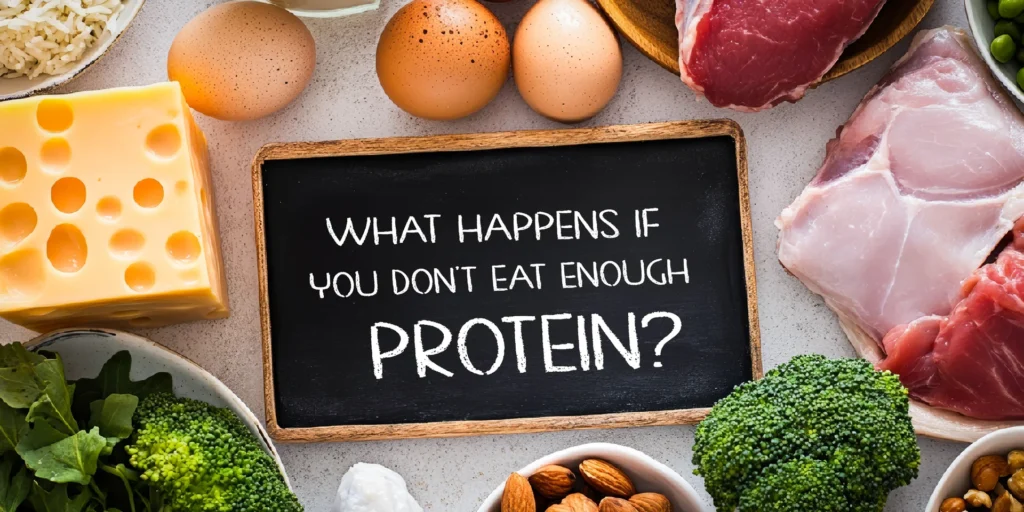
What Is the Protein Gap?
The protein gap refers to the difference between the amount of protein your body needs and the amount you actually consume.
Protein is one of the three major macronutrients and plays a critical role in:
- Building and repairing tissues
- Maintaining muscle mass
- Supporting immune function
- Producing hormones and enzymes
- Promoting healthy skin, hair, and nails
- Supporting metabolism and weight management
When protein intake consistently falls below the body’s requirements, health problems may gradually develop over time.
Why the Protein Gap Is Growing in 2026
Several modern lifestyle habits contribute to inadequate protein intake.
1. Increased Consumption of Processed Foods
Many convenience foods are high in calories but low in quality protein. Fast meals often prioritize taste and convenience over nutritional balance.
2. Skipping Breakfast
Many people start the day with coffee, pastries, or sugary cereals that contain very little protein.
3. Busy Lifestyles
Busy schedules encourage quick meals that often lack sufficient protein sources.
4. Misunderstanding Nutritional Needs
Some people underestimate how much protein they need, especially as they age or become more physically active.
5. Restrictive Diets
Certain restrictive eating patterns can unintentionally reduce protein intake if not carefully planned.
Signs You May Not Be Getting Enough Protein
Protein deficiency can develop gradually and may not always be obvious.
Common signs include:
- Frequent hunger
- Constant fatigue
- Reduced muscle strength
- Slow recovery after exercise
- Increased cravings
- Hair thinning
- Weak or brittle nails
- Difficulty maintaining muscle mass
- Frequent illnesses
- Poor concentration
These symptoms can also have other causes, but inadequate protein intake is often an overlooked factor.
How Much Protein Do You Really Need?
Protein needs vary depending on factors such as:
- Age
- Body weight
- Activity level
- Health conditions
- Fitness goals
Generally, active individuals, older adults, and people recovering from illness may require more protein than sedentary adults.
Rather than focusing only on total daily intake, experts increasingly recommend spreading protein evenly throughout the day.
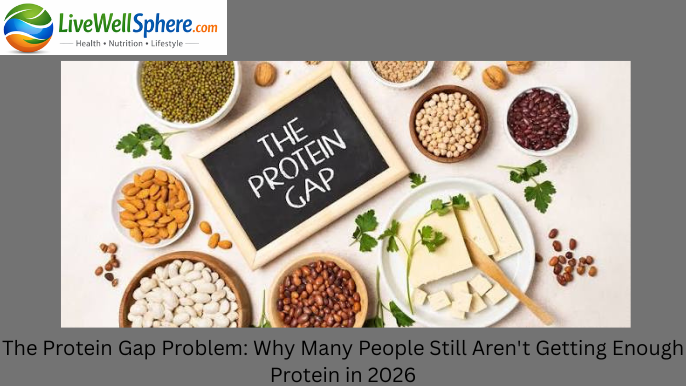
Best Sources of High-Quality Protein
Animal-Based Protein Sources
- Eggs
- Chicken breast
- Turkey
- Fish
- Lean beef
- Greek yogurt
- Cottage cheese
- Milk
These foods provide complete proteins containing all essential amino acids.
Plant-Based Protein Sources
- Lentils
- Beans
- Chickpeas
- Tofu
- Tempeh
- Quinoa
- Edamame
- Nuts and seeds
Plant-based eaters can meet protein needs by consuming a variety of protein-rich foods throughout the day.
The Link Between Protein and Healthy Aging
One reason the protein gap receives more attention in 2026 is its connection to healthy aging.
As people age, maintaining muscle mass becomes increasingly important. Muscle loss can affect:
- Strength
- Mobility
- Balance
- Independence
- Metabolic health
Adequate protein intake helps preserve muscle tissue and supports overall physical function.
Protein and Weight Management
Protein is often called the most satisfying macronutrient.
Compared with highly processed carbohydrates, protein-rich foods can:
- Increase feelings of fullness
- Reduce unnecessary snacking
- Help maintain muscle during weight loss
- Support a healthy metabolism
This makes protein an important component of sustainable weight management plans.
Simple Ways to Close the Protein Gap
Start Breakfast With Protein
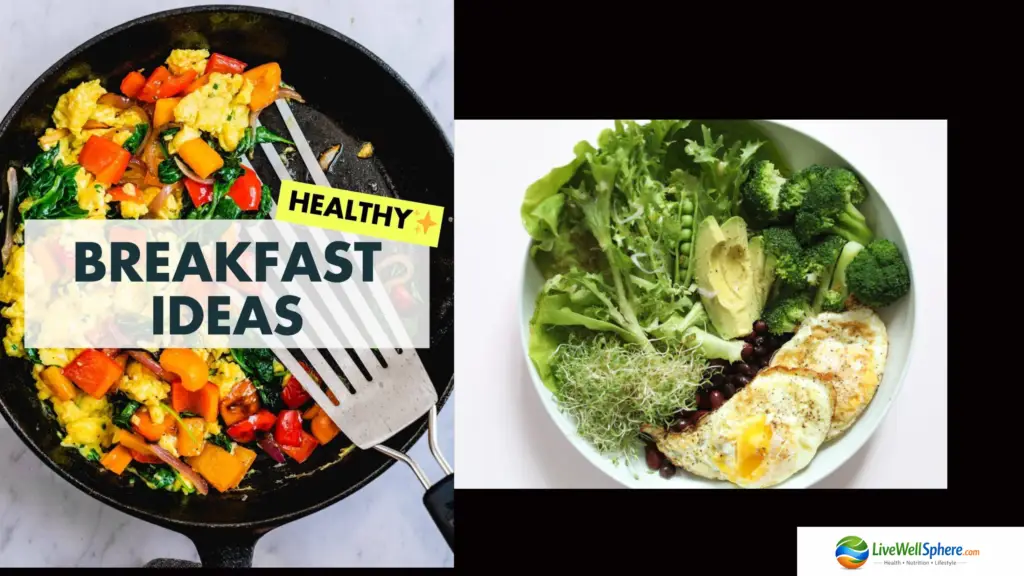
Choose options such as eggs, Greek yogurt, or protein-rich smoothies instead of sugary breakfast foods.
Include Protein in Every Meal
Aim to build meals around a protein source rather than treating protein as an afterthought.
Choose Smart Snacks
Good options include:
- Nuts
- Cheese
- Greek yogurt
- Boiled eggs
- Roasted chickpeas
Plan Meals Ahead
Meal planning reduces the likelihood of relying on low-protein convenience foods.
Prioritize Whole Foods
Whole-food protein sources typically provide additional nutrients that support overall health.
Common Myths About Protein
Myth 1: Only Athletes Need Protein
Everyone needs protein for basic bodily functions, not just athletes.
Myth 2: More Protein Is Always Better
Balance remains important. Excessive protein intake is not necessarily beneficial.
Myth 3: Plant-Based Diets Cannot Provide Enough Protein
Well-planned plant-based diets can meet protein requirements effectively.
Myth 4: Protein Is Only for Muscle Building
Protein supports numerous functions beyond muscle growth, including immunity and tissue repair.
Final Thoughts
The protein gap problem is becoming one of the most overlooked nutrition challenges of 2026. While many people focus on calories, they often neglect the importance of consuming enough high-quality protein.
Adequate protein intake supports muscle health, energy levels, immune function, healthy aging, and overall wellness. Fortunately, closing the protein gap does not require drastic dietary changes. Small adjustments—such as adding protein to every meal and choosing nutrient-dense foods—can make a significant difference.
By understanding your protein needs and making intentional food choices, you can build a stronger foundation for long-term health and well-being.