
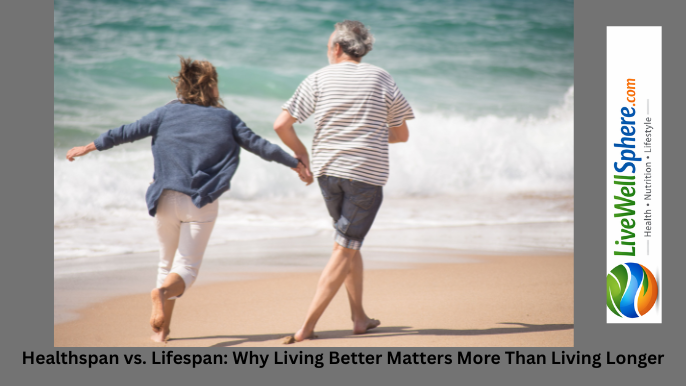
Healthspan vs. Lifespan: Why Living Better Matters More Than Living Longer
Imagine celebrating your 90th birthday while still traveling, gardening, playing with your grandchildren, or enjoying your favorite hobbies. Now imagine living to the same age but spending the last twenty years struggling with chronic illness.
Both people reached 90 years old.
But only one truly enjoyed those extra years.
That’s the difference between lifespan and healthspan—a concept that’s becoming central to modern longevity science. Researchers now focus not only on helping people live longer but also on helping them remain healthy, active, and independent throughout those added years.
In this guide, you’ll learn what healthspan means, why it matters more than lifespan alone, and practical habits that can improve your long-term health.

What Is Lifespan?
Lifespan is simply the total number of years a person lives.
If someone dies at age 92, their lifespan is 92 years.
Medical advances, better sanitation, vaccines, and improved healthcare have dramatically increased average human lifespan over the past century.
However, living longer doesn’t automatically mean living healthier.
What Is Healthspan?
Healthspan refers to the number of years you live in good physical, mental, and emotional health.
A long healthspan means you remain active, independent, and free from major chronic diseases for most of your life.
Instead of asking,
“How long will I live?”
Healthspan asks,
“How well will I live?”
This shift has become one of the biggest goals in healthy aging research.
Why Healthspan Is More Important Than Lifespan
Many people spend the final decade—or longer—living with conditions such as:
- Heart disease
- Type 2 diabetes
- Arthritis
- Dementia
- Limited mobility
The goal isn’t simply to delay death.
It’s to delay disease.
When your healthspan increases, you enjoy more years filled with energy, independence, and a better quality of life.
The Science Behind Healthy Aging
Scientists have discovered that aging isn’t influenced by genetics alone.
Lifestyle choices play a major role in how quickly—or slowly—our bodies age.
Key factors include:
- Physical activity
- Nutrition
- Sleep quality
- Stress management
- Social relationships
- Avoiding smoking
- Limiting excessive alcohol
- Maintaining a healthy weight
Small daily habits repeated over many years often have a greater impact than occasional “health kicks.”
7 Daily Habits That Improve Healthspan
1. Build Muscle Throughout Life
Muscle naturally declines with age.
Strength training helps maintain:
- Balance
- Bone density
- Mobility
- Metabolism
- Independence
Even two or three sessions each week can make a significant difference.
2. Prioritize Quality Sleep
Sleep is when the body repairs tissues, regulates hormones, strengthens immunity, and consolidates memory.
Aim for 7–9 hours of consistent, high-quality sleep whenever possible.
3. Eat More Whole Foods
Your daily diet should include:
- Colorful vegetables
- Fruits
- Beans
- Whole grains
- Healthy fats
- Lean proteins
These foods provide nutrients that support long-term health and reduce the risk of chronic disease.
4. Keep Moving Every Day
Exercise doesn’t have to mean intense workouts.
Walking, cycling, gardening, swimming, or dancing all count.
The best exercise is the one you’ll continue doing consistently.
5. Protect Your Brain
Brain health is part of healthy aging.
Challenge your mind by:
- Reading books
- Learning new skills
- Solving puzzles
- Playing musical instruments
- Having meaningful conversations
Mental stimulation supports cognitive function as you age.
6. Stay Socially Connected
Strong friendships and family relationships are linked with better mental health, lower stress, and healthier aging.
Loneliness has been associated with poorer health outcomes, making social connection an important part of overall wellness.
7. Manage Stress Before It Manages You
Chronic stress affects nearly every organ system.
Healthy ways to reduce stress include:
- Deep breathing
- Meditation
- Prayer
- Walking outdoors
- Journaling
- Spending time with loved ones
Even a few minutes each day can make a meaningful difference.
Can You Increase Your Healthspan?
Yes.
While no one can stop aging, many healthy behaviors are associated with a slower decline in physical and mental function.
Research suggests that people who consistently exercise, eat nutritious foods, sleep well, avoid smoking, and maintain healthy relationships often experience more years of good health than those who don’t.
Common Myths About Longevity
Myth 1: Genetics determine everything.
Reality: Genetics matter, but lifestyle and environment also play a major role in healthy aging.
Myth 2: It’s too late to improve your health.
Reality: Positive lifestyle changes can benefit people at almost any age.
Myth 3: Supplements alone can extend life.
Reality: No supplement replaces the foundations of good nutrition, exercise, sleep, and preventive healthcare.
The Bottom Line
Living longer is a wonderful goal—but living healthier is an even better one.
The real measure of successful aging isn’t simply the number of birthdays you celebrate.
It’s being able to enjoy those birthdays with strength, independence, purpose, and the freedom to do the things you love.
Every healthy meal, every walk, every good night’s sleep, and every positive habit is an investment in your future self.
Start today, and your future years may become not just longer—but far more rewarding.
Frequently Asked Questions (FAQ)
What is the difference between healthspan and lifespan?
Lifespan is the total number of years a person lives, while healthspan is the number of those years spent in good health without major disease or disability.
Can you increase your healthspan?
Healthy habits such as regular exercise, nutritious eating, quality sleep, stress management, and staying socially connected are associated with better health as you age.
Does exercise improve longevity?
Regular physical activity supports heart health, muscle strength, mobility, and metabolic health, all of which contribute to healthy aging.
Why is healthspan becoming more important?
Researchers increasingly emphasize extending the years people live in good health, not just increasing total lifespan.