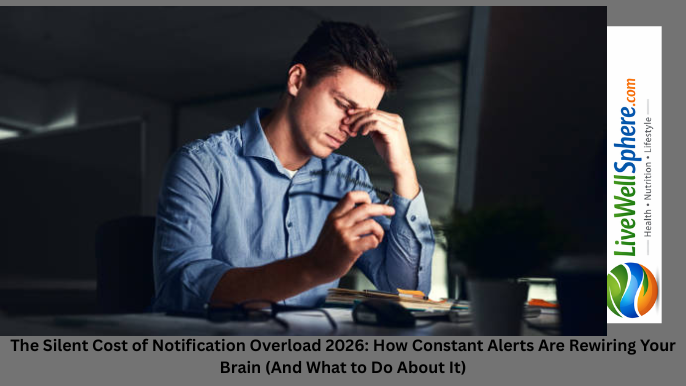
The Silent Cost of Notification Overload: How Constant Alerts Are Rewiring Your Brain (And What to Do About It)
Every buzz, ding, vibration, and banner on your phone competes for one thing: your attention.
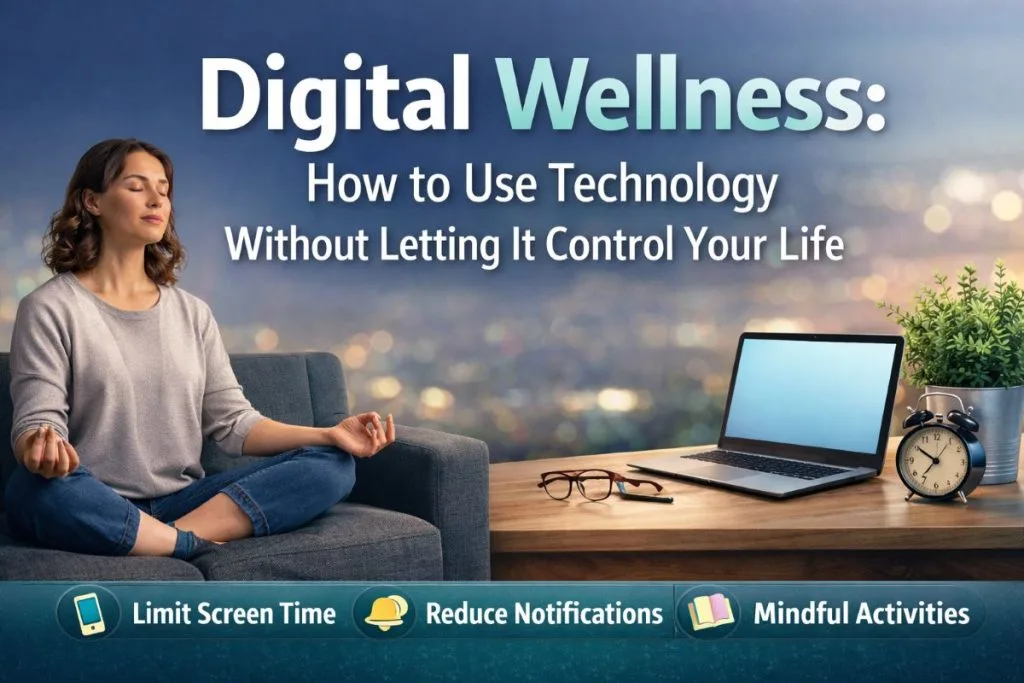
While smartphones have made life more convenient than ever, they have also created an environment where interruptions happen every few minutes. Many people believe these alerts are harmless, but growing research suggests that constant notifications may quietly reduce concentration, increase stress, and make it harder to stay mentally present. Digital wellness experts increasingly emphasize designing healthier technology habits rather than abandoning technology altogether.
If you’ve ever picked up your phone to check one message and found yourself scrolling social media 30 minutes later, you’re not alone. Notification overload is becoming one of the biggest hidden challenges of modern digital life.
In this guide, you’ll learn what notification overload is, how it affects your brain, and practical ways to take back control.

What Is Notification Overload?
Notification overload occurs when your digital devices generate so many alerts that your brain constantly shifts attention between different tasks.
These interruptions may include:
- Text messages
- Social media notifications
- Email alerts
- Shopping promotions
- Breaking news updates
- Calendar reminders
- Game notifications
- App recommendations
Individually, these alerts seem insignificant.
Together, they create a nonstop stream of distractions that trains your brain to expect constant stimulation.
Why Your Brain Struggles With Constant Notifications
Your brain isn’t designed to switch focus every few minutes.
Whenever a notification appears, your attention shifts—even if you don’t immediately check your phone.
Psychologists call this an attention residue, where part of your mind remains focused on the interruption instead of your original task.
Over time, this repeated switching can lead to:
- Reduced concentration
- Mental fatigue
- Lower productivity
- Increased stress
- Difficulty completing deep work
Instead of staying immersed in one activity, your brain remains in a continuous cycle of anticipation.
The Hidden Health Effects of Notification Overload
1. Increased Stress Levels
Every alert signals your brain that something requires immediate attention.
Even when the message isn’t urgent, your body can experience small stress responses throughout the day.
Over weeks and months, these repeated interruptions may contribute to chronic mental exhaustion.
2. Poorer Focus
Frequent notifications fragment attention.
Reading a report, studying for an exam, or even having a conversation becomes more difficult because your brain expects another interruption at any moment.
3. Reduced Productivity
Many people believe multitasking makes them more efficient.
In reality, switching between tasks repeatedly often slows progress and increases mistakes.
Even brief interruptions can make it take longer to regain your previous level of focus.
4. Lower Sleep Quality
Late-night notifications interrupt healthy sleep habits.
Checking just one message before bed often turns into browsing social media, watching videos, or reading emails long after you intended to sleep.
Blue light exposure combined with mental stimulation can make falling asleep more difficult.
5. Increased Anxiety
Constant alerts create the feeling that you’re always “on call.”
Many people begin checking their phones automatically—even when no notification has arrived.
This habit can reinforce anxiety and make it difficult to relax.
Signs You’re Experiencing Notification Fatigue
You may be dealing with notification overload if you:
- Check your phone every few minutes
- Feel anxious when your phone is silent
- Frequently lose track of what you’re doing
- Forget why you opened an app
- Struggle to complete tasks without interruptions
- Feel mentally exhausted despite not doing physically demanding work
- Reach for your phone automatically during quiet moments
Recognizing these habits is the first step toward healthier digital behavior.
How to Reduce Notification Overload
Fortunately, improving digital wellness doesn’t require giving up your smartphone.
Small changes can dramatically reduce distractions.
Turn Off Non-Essential Notifications
Ask yourself:
“Do I really need this app interrupting my day?”
Disable alerts for:
- Shopping apps
- Games
- Social media likes
- Promotional emails
- News alerts that aren’t essential
Keep only notifications that truly matter.
Create Notification-Free Time
Schedule periods during your day when notifications remain completely off.
Examples include:
- During work
- While studying
- During meals
- Family time
- Before bedtime
These uninterrupted blocks help your brain rebuild sustained attention.
Use Focus Modes
Modern smartphones include features that limit interruptions during specific activities.
Use Focus or Do Not Disturb modes while:
- Working
- Reading
- Exercising
- Sleeping
- Driving
Move Distracting Apps Off Your Home Screen
Reducing visual triggers lowers the urge to check your phone.
Place entertainment apps inside folders or on later screens so they require more intentional effort to open.
Check Notifications on Your Schedule
Instead of responding instantly, choose specific times to review messages.
For example:
- 9:00 AM
- 1:00 PM
- 5:00 PM
This simple habit reduces constant context switching while ensuring you don’t miss important communication.
The Benefits of Fewer Notifications
After reducing digital interruptions, many people notice:
- Better concentration
- Increased productivity
- Improved mood
- Less stress
- Better sleep
- More meaningful conversations
- Greater mindfulness
- More free time
The goal isn’t to eliminate technology.
It’s to ensure technology serves you instead of controlling your attention.
Digital Wellness Is About Intentional Technology Use
Digital wellness doesn’t mean avoiding smartphones.
It means using technology with purpose.
Notifications should help you—not constantly compete for your attention.
By reducing unnecessary interruptions, you create more space for focused work, stronger relationships, better mental health, and improved overall well-being.
Small adjustments today can protect your attention for years to come.
Final Thoughts
Attention has become one of our most valuable resources.
Every unnecessary notification chips away at your ability to think deeply, stay present, and enjoy life’s important moments.
The good news is that reclaiming your focus doesn’t require expensive tools or drastic lifestyle changes.
Start by silencing just a few unnecessary alerts today.
You may be surprised by how much calmer, clearer, and more productive your days become.
Your phone doesn’t need to control your attention—you do.
Frequently Asked Questions (FAQ)
Is notification overload harmful?
While notifications themselves aren’t harmful, frequent interruptions can increase stress, reduce focus, and negatively affect productivity and sleep when they become excessive.
How many phone notifications are too many?
There’s no universal number, but if notifications regularly interrupt your work, conversations, or sleep, it’s a good sign that you should reduce them.
What is digital wellness?
Digital wellness is the practice of using technology in ways that support your physical, mental, and emotional well-being rather than allowing it to become a source of stress or distraction.
What’s the easiest way to reduce phone distractions?
Start by turning off non-essential notifications, enabling Focus mode during important tasks, and checking messages at scheduled times instead of immediately responding to every alert.