The Hidden Mental Cost of Constant Notifications: How to Reclaim Your Digital Wellness.
In today’s hyperconnected world, smartphones have become part of daily life. From social media alerts and breaking news updates to endless emails and messaging apps, people are constantly interrupted by notifications. While technology has made communication easier, it has also created a growing mental health challenge known as digital overload.
Many people in 2026 are struggling with stress, poor concentration, anxiety, and sleep problems caused by excessive screen exposure and nonstop notifications. Digital wellness is no longer optional — it has become essential for maintaining mental clarity, emotional balance, and overall well-being.
Understanding how notifications affect the brain can help people build healthier digital habits and regain control over their lives.
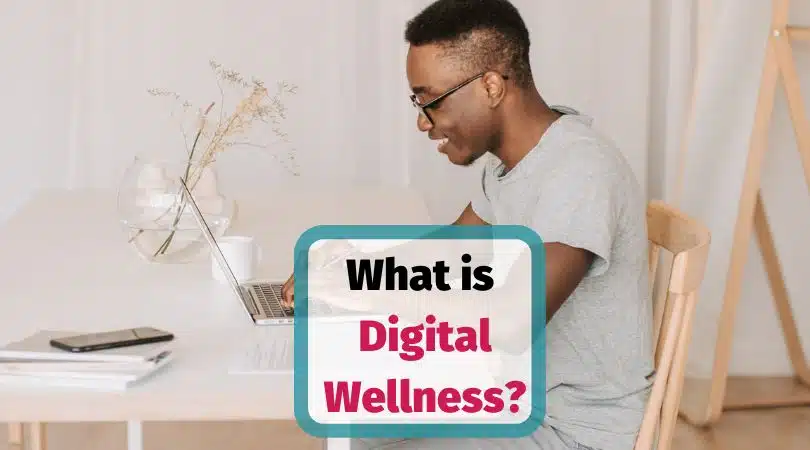
What Is Digital Wellness?
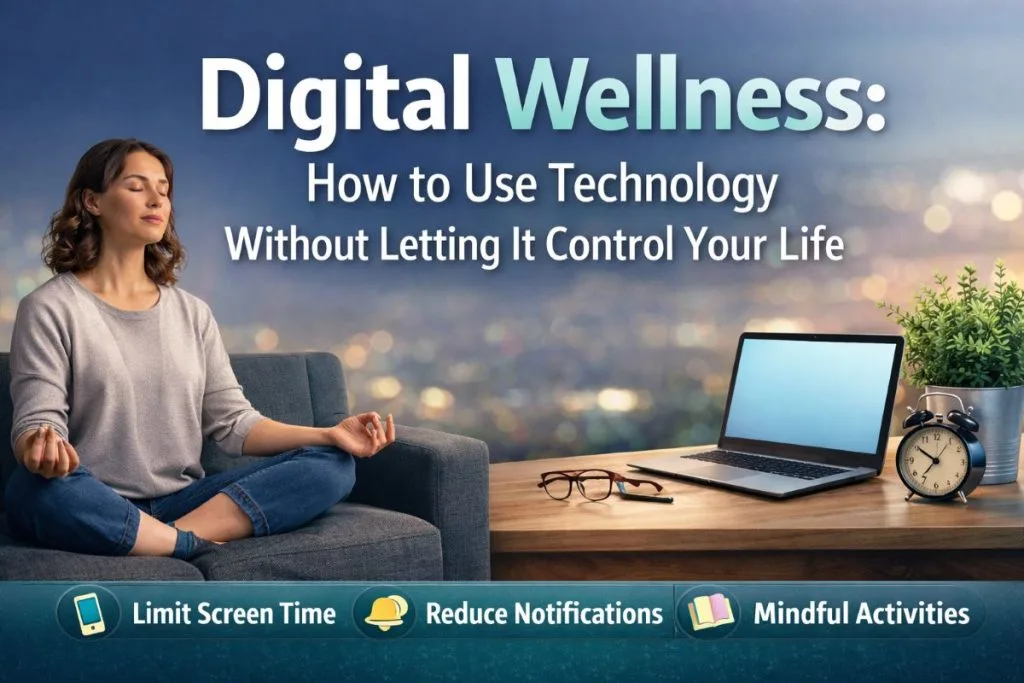
Digital wellness refers to maintaining a healthy relationship with technology. It involves using digital devices in ways that support mental, emotional, and physical health instead of damaging them.
Healthy digital wellness habits include:
- Managing screen time wisely
- Reducing unnecessary notifications
- Taking breaks from devices
- Protecting mental health online
- Creating healthier social media habits
- Improving sleep by limiting nighttime screen exposure
Digital wellness is not about avoiding technology completely. Instead, it focuses on balance and intentional technology use.
How Constant Notifications Affect Mental Health
Every notification forces the brain to shift attention. Even small interruptions reduce focus and increase mental fatigue over time.
Research shows that repeated interruptions can:
- Reduce productivity
- Increase stress hormones
- Shorten attention span
- Create anxiety and mental exhaustion
- Lower sleep quality
- Encourage addictive phone-checking habits
Many people check their phones hundreds of times daily without realizing it. This constant stimulation keeps the brain in a state of alertness, making it difficult to relax.
Notification Fatigue Is Becoming a Serious Problem
Notification fatigue happens when people become mentally overwhelmed by constant digital alerts.
Common symptoms include:
- Feeling mentally drained
- Difficulty concentrating
- Irritability
- Trouble sleeping
- Anxiety when away from the phone
- Reduced motivation
- Social media exhaustion
Over time, notification fatigue may contribute to digital burnout, a growing wellness issue affecting students, workers, and even children.
The Connection Between Screen Time and Sleep Problems
One of the biggest digital wellness concerns in 2026 is poor sleep quality caused by excessive screen use.
Blue light from phones, tablets, and laptops can interfere with melatonin production, the hormone responsible for sleep. Late-night scrolling also keeps the brain mentally active when it should be winding down.
People who use phones before bedtime often experience:
- Difficulty falling asleep
- Interrupted sleep cycles
- Morning fatigue
- Reduced energy during the day
Creating healthier nighttime technology habits can significantly improve sleep and mental recovery.
Simple Ways to Improve Digital Wellness
Improving digital wellness does not require completely disconnecting from technology. Small daily changes can make a major difference.
Turn Off Non-Essential Notifications
Disable notifications that are not urgent. Social media likes, promotional emails, and unnecessary app alerts often create constant distractions.
Create Phone-Free Hours
Set specific times each day to stay away from screens. This helps the brain relax and improves mental focus.
Avoid Screens Before Bed
Try limiting screen use at least one hour before sleep. Reading, meditation, or listening to calming music can help the body prepare for rest.
Practice a Digital Detox
Taking short breaks from social media and devices can reduce stress and improve emotional balance.
Use Technology Intentionally
Instead of mindless scrolling, use digital tools for learning, productivity, communication, and personal growth.
Why Digital Wellness Matters More Than Ever
Technology will continue evolving rapidly, but mental health must remain a priority. Without healthy digital habits, excessive screen exposure can slowly affect emotional well-being, productivity, and relationships.
Digital wellness encourages people to take control of technology instead of allowing technology to control them.
Building healthier online habits today can lead to:
- Better focus
- Reduced anxiety
- Improved sleep
- Greater productivity
- Stronger relationships
- Better emotional health
Conclusion
Digital wellness is becoming one of the most important health topics in 2026. Constant notifications, excessive screen time, and digital overload are silently affecting millions of people every day.
By reducing distractions, managing screen time wisely, and creating healthier digital habits, people can protect their mental health and enjoy technology in a more balanced way.
Small changes today can lead to a calmer mind, better sleep, improved focus, and a healthier lifestyle in the long run.