
Digital Minimalism in 2026: How to Reclaim Your Focus and Mental Clarity
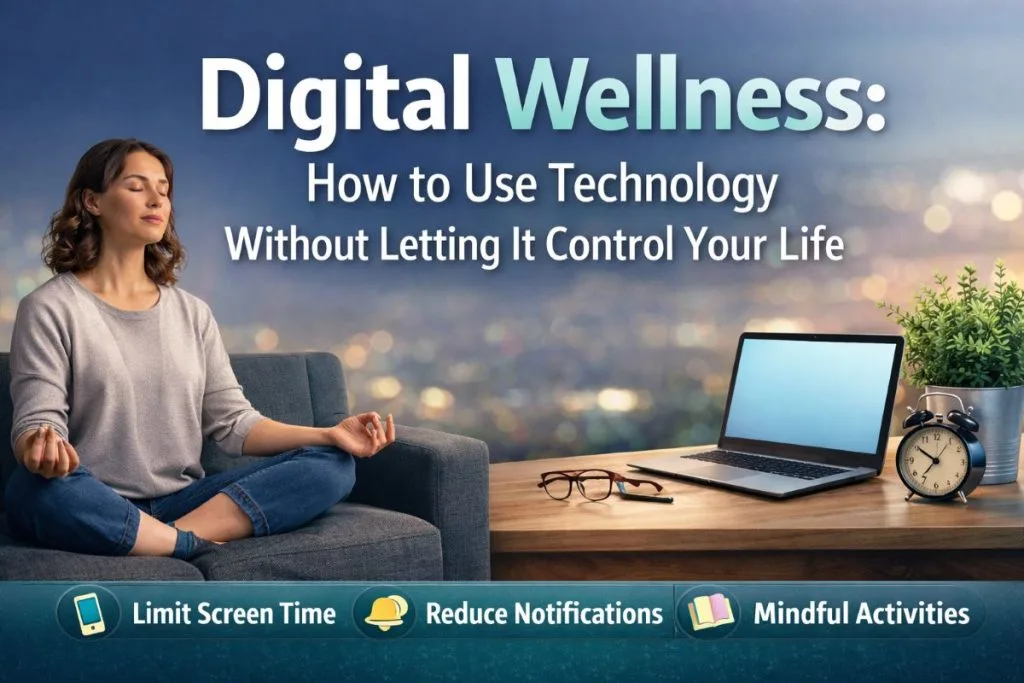
In today’s hyperconnected world, many people spend more time staring at screens than interacting with the real world. Notifications, endless scrolling, and constant digital distractions are making it harder to focus, sleep peacefully, and maintain emotional balance. This is why digital minimalism is becoming one of the most important wellness trends in 2026.
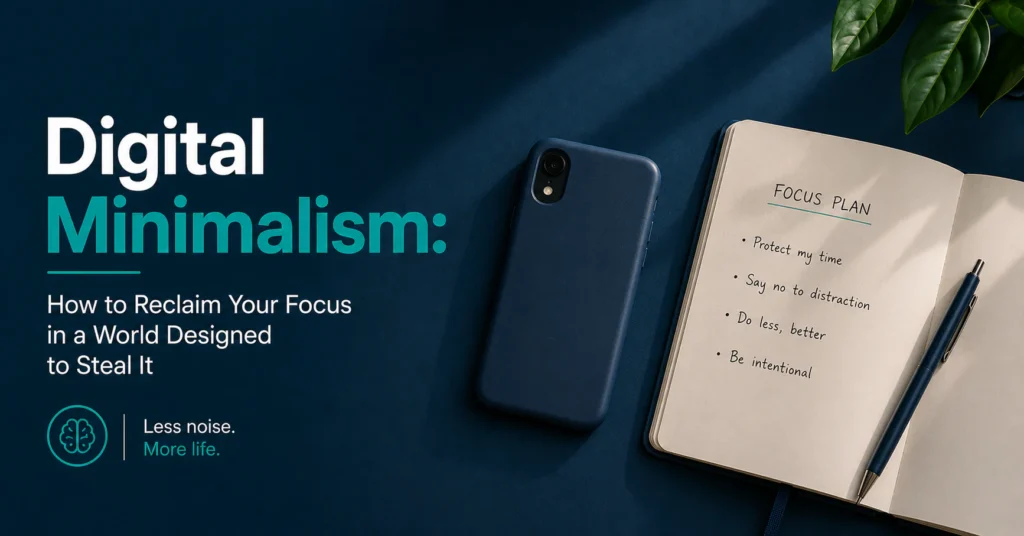
Digital minimalism is not about quitting technology completely. Instead, it is about using technology intentionally and removing digital habits that negatively affect your mental health, productivity, and overall well-being. By simplifying your digital life, you can create more time for meaningful activities, deeper relationships, and personal growth.
What Is Digital Minimalism?
Digital minimalism is a lifestyle approach where people carefully choose how they use technology instead of allowing technology to control their lives. It focuses on reducing unnecessary screen time, limiting distractions, and prioritizing online activities that truly add value.
This concept has become increasingly popular because many individuals now recognize the hidden effects of excessive digital consumption, including:
- Mental fatigue
- Poor concentration
- Increased stress levels
- Sleep disturbances
- Reduced productivity
- Social disconnection
- Anxiety caused by information overload
Digital minimalism encourages healthier and more mindful technology habits.
Why Digital Minimalism Matters in 2026
Technology continues to evolve rapidly in 2026. Artificial intelligence tools, social media algorithms, streaming platforms, and constant online communication make it easy to spend hours on devices without realizing it.
Many people are now experiencing “digital overwhelm,” where too much information and screen exposure affect both mental and physical health. Practicing digital minimalism can help restore balance in daily life.
Some major benefits include:
Improved Mental Clarity
Reducing unnecessary digital distractions allows the brain to focus better. Many people report feeling calmer and more mentally organized after limiting screen time.
Better Sleep Quality
Excessive phone use before bed can interfere with healthy sleep patterns. Digital minimalism encourages screen-free evening routines that improve sleep quality and recovery.
Increased Productivity
Fewer notifications and distractions help people complete tasks more efficiently. This leads to better time management and improved daily performance.
Stronger Real-Life Relationships
Spending less time online creates more opportunities for meaningful face-to-face conversations and stronger emotional connections.
Reduced Stress and Anxiety
Constant exposure to social media and negative online content can increase stress levels. A minimalist digital lifestyle helps reduce mental pressure and emotional exhaustion.
Signs You May Need Digital Minimalism
You may benefit from digital minimalism if you experience any of the following:
- You check your phone constantly without a reason
- Social media leaves you feeling mentally drained
- You struggle to focus on important tasks
- You feel anxious when away from your device
- Your screen time keeps increasing every week
- You have trouble sleeping because of phone usage
- You spend more time online than with family or friends
Recognizing these habits is the first step toward healthier digital wellness.
Practical Ways to Practice Digital Minimalism
1. Turn Off Non-Essential Notifications
Constant alerts interrupt focus and increase stress. Keep only important notifications such as calls, messages from close family, or work-related updates.
2. Create Screen-Free Hours
Set specific times each day where you avoid all unnecessary device usage. Many people benefit from avoiding screens during meals and before bedtime.
3. Declutter Your Digital Space
Remove unused apps, unsubscribe from unnecessary emails, and organize your digital files. A cleaner digital environment reduces mental clutter.
4. Limit Social Media Usage
Set daily limits for social media platforms and avoid endless scrolling. Replacing online time with hobbies or exercise can improve mental health significantly.
5. Prioritize Real-World Activities
Spend more time reading books, exercising, spending time outdoors, or connecting with loved ones. Offline experiences help restore emotional balance.
6. Use Technology With Purpose
Before opening an app or device, ask yourself why you are using it. This simple habit helps prevent mindless digital consumption.
How Digital Minimalism Supports Mental Health
Digital wellness and mental health are closely connected. Studies and wellness experts continue to highlight how excessive screen exposure can contribute to stress, burnout, and emotional fatigue.
Digital minimalism supports mental health by:
- Reducing information overload
- Encouraging mindfulness
- Improving focus and attention span
- Supporting emotional stability
- Creating healthier daily routines
- Promoting better work-life balance
Many people discover that reducing digital noise creates more inner peace and emotional clarity.
The Future of Digital Wellness
As technology becomes more advanced, digital wellness will continue growing as a major health priority. More people are realizing that healthy technology habits are essential for long-term well-being.
In 2026, digital minimalism is not just a trend — it is becoming a necessary lifestyle practice for maintaining mental clarity, emotional health, and productivity in a highly connected world.
Learning to control your digital environment instead of being controlled by it can improve nearly every area of life.
Final Thoughts
Digital minimalism offers a powerful solution to the growing problem of digital overload. By simplifying your online habits and focusing on intentional technology use, you can improve your mental health, productivity, relationships, and overall quality of life.
Small daily changes — such as reducing notifications, limiting social media, and creating screen-free routines — can make a significant difference over time.
In a world filled with constant digital noise, choosing simplicity may be one of the healthiest decisions you make in 2026.