Digital Detox: 7 Powerful Ways to Reduce Screen Time and Improve Mental Health
Technology has become deeply connected to modern life. People spend hours every day scrolling through social media, watching videos, checking notifications, and switching between apps. While digital devices offer convenience and entertainment, excessive screen time is increasingly affecting mental health, focus, sleep, and emotional well-being.
In 2026, more people are beginning to realize the importance of digital detox habits. Taking intentional breaks from screens can help restore mental clarity, reduce stress, and improve overall wellness.
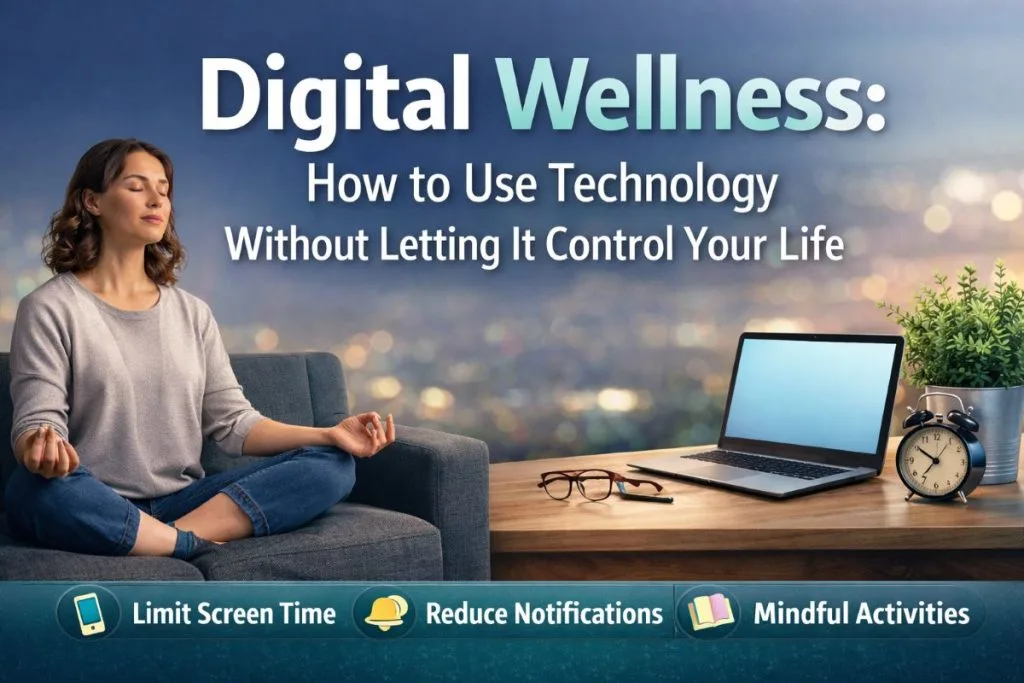
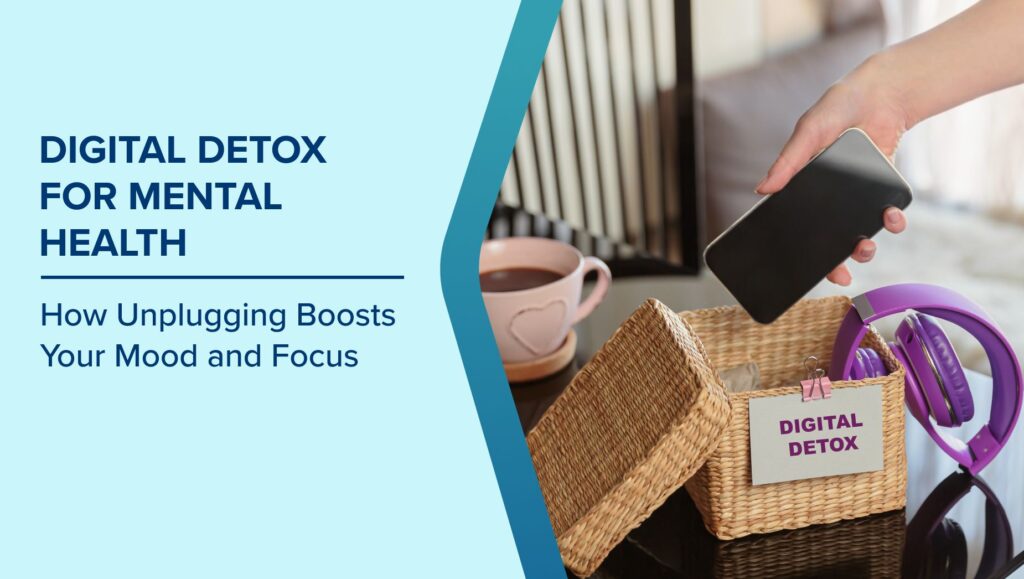
A digital detox does not mean completely abandoning technology. Instead, it means creating healthier boundaries with digital devices and using technology more intentionally.
What Is a Digital Detox?
A digital detox is a period of time where a person reduces or limits the use of digital devices such as:
- Smartphones
- Social media apps
- Tablets
- Computers
- Streaming platforms
- Gaming devices
The goal is to reduce mental overload and reconnect with healthier offline activities.
Signs You May Need a Digital Detox
Many people do not realize how much technology affects their daily lives until symptoms begin to appear.
Common warning signs include:
- Constant phone checking
- Feeling anxious without the phone nearby
- Difficulty focusing
- Poor sleep quality
- Mental exhaustion
- Reduced productivity
- Social media stress
- Feeling overwhelmed by notifications
Recognizing these signs early can help prevent long-term digital burnout.
1. Start With Small Screen-Free Periods
Trying to quit screens completely can feel unrealistic. Instead, begin with short breaks during the day.
For example:
- No phone during meals
- 30 minutes screen-free after waking up
- One hour without screens before bedtime
Small habits often create lasting improvements.
2. Turn Off Unnecessary Notifications
Notifications constantly interrupt concentration and increase stress levels.
Disabling non-essential alerts helps:
- Improve focus
- Reduce anxiety
- Lower mental fatigue
- Encourage mindful phone use
Many people notice immediate mental relief after reducing notification overload.
3. Replace Scrolling With Healthy Activities
One of the best ways to reduce screen time is replacing digital habits with healthier alternatives.
Examples include:
- Walking outdoors
- Reading books
- Exercising
- Journaling
- Spending time with family
- Practicing meditation
Healthy offline activities support emotional and physical wellness.
4. Create Social Media Boundaries
Social media can become mentally exhausting when used excessively.
Healthy boundaries may include:
- Limiting daily app usage
- Avoiding social media before sleep
- Taking weekend breaks
- Unfollowing stressful accounts
This can improve self-esteem and reduce comparison-related stress.
5. Keep Phones Out of the Bedroom
Using phones late at night often disrupts sleep patterns and increases mental stimulation.
Keeping devices away from the bed can:
- Improve sleep quality
- Reduce nighttime scrolling
- Help the brain relax naturally
Good sleep is a major part of digital wellness.
6. Practice Mindful Technology Use
Before opening an app, ask:
- Why am I using this right now?
- Is this helping me or distracting me?
- How much time do I want to spend here?
Mindful technology use helps people regain control over their attention.
7. Schedule a Weekly Digital Detox
Even a few hours offline each week can help reset the mind.
A weekly digital detox may include:
- Outdoor activities
- Family time
- Exercise
- Creative hobbies
- Relaxation without screens
These breaks can improve emotional balance and mental clarity.
The Long-Term Benefits of a Digital Detox
Reducing screen dependence can positively affect many areas of life.
Benefits include:
- Better concentration
- Reduced anxiety
- Improved sleep
- Higher productivity
- Stronger relationships
- Better emotional health
- More time for personal growth
Digital detox habits support a healthier and more balanced lifestyle.
Conclusion
Technology is useful, but too much screen exposure can quietly affect mental and emotional well-being. In 2026, digital detox habits are becoming essential for maintaining balance in a constantly connected world.
By setting boundaries, reducing notifications, and spending more time offline, people can improve focus, reduce stress, and build healthier relationships with technology.
Even small changes can lead to major improvements in mental health and daily wellness over time.