
How Digital Minimalism Can Transform Your Daily Life in 2026
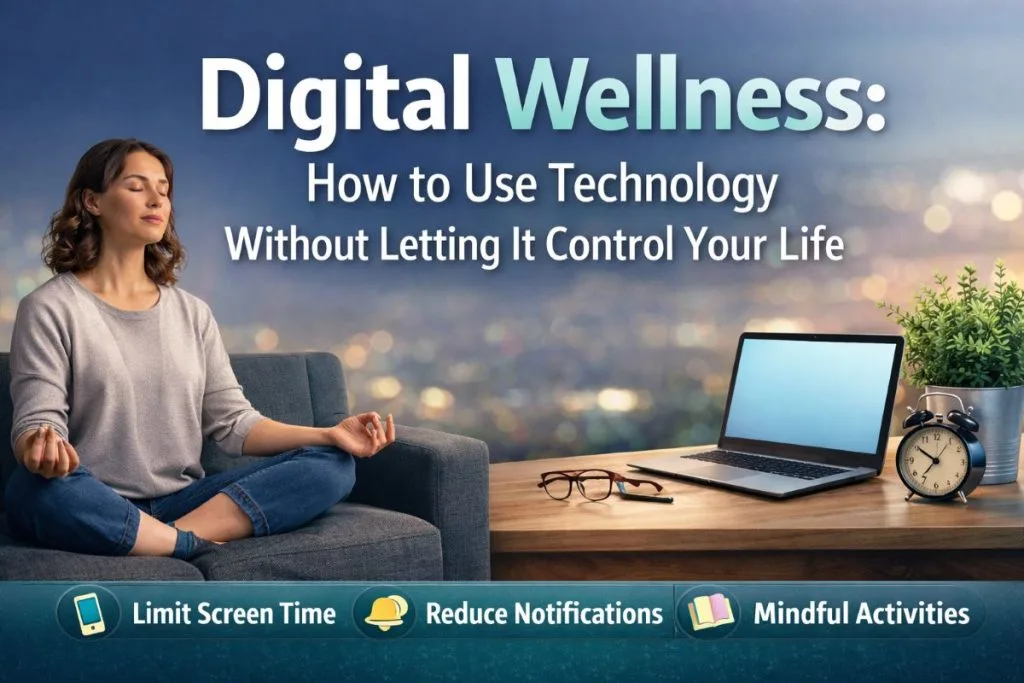
Technology has made life faster, easier, and more connected than ever before. Yet for many people, constant notifications, endless scrolling, and digital overload have created stress, distraction, and mental fatigue.
In 2026, more people are embracing digital minimalism as a powerful solution to regain control of their attention and improve overall well-being.
Digital minimalism is not about rejecting technology. It is about using technology intentionally and removing digital clutter that does not add value to your life.
By adopting this approach, you can improve focus, reduce stress, and create a healthier relationship with your devices.
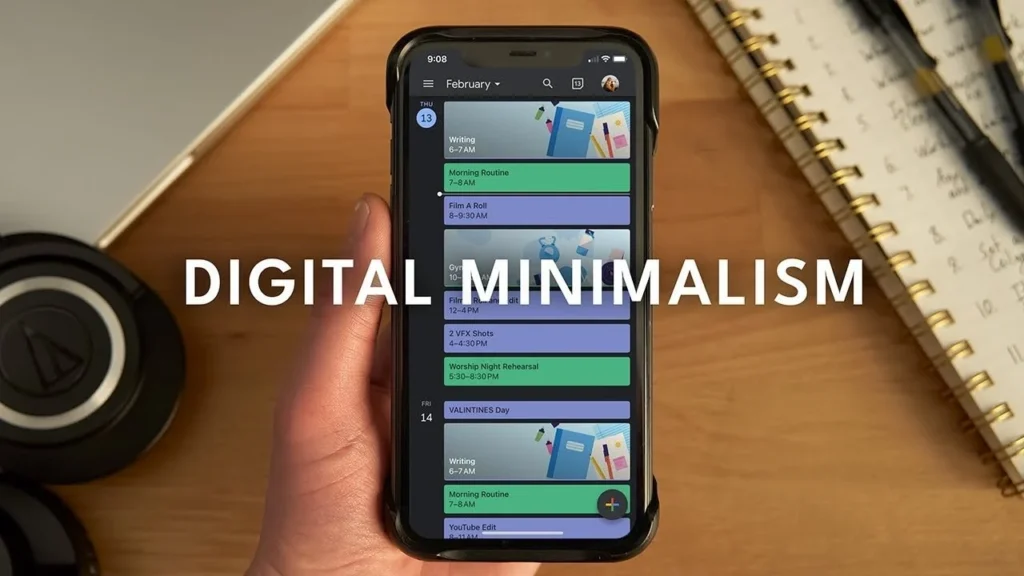
What Is Digital Minimalism?
Digital Minimalism is the practice of intentionally choosing how and when to use digital tools.
It does not mean rejecting technology completely. Instead, it means removing digital clutter and focusing only on technology that adds real value to your life.
Examples include:
- Turning off non-essential notifications
- Limiting social media use
- Removing distracting apps
- Setting intentional screen-free hours
- Using devices only for meaningful tasks
The goal is simple: control technology instead of being controlled by it.
Why Digital Overload Is a Growing Problem in 2026
Modern technology is designed to capture attention.
Every notification, update, and alert competes for mental space. This constant stimulation can lead to:
- Reduced concentration
- Increased stress levels
- Sleep disruption
- Mental fatigue
- Lower productivity
- Difficulty being present in real life
Many people do not realize how much digital clutter affects their emotional well-being until they intentionally step back.
Powerful Mental Health Benefits of Digital Minimalism
1. Reduced Stress and Anxiety
Constant notifications create a feeling of urgency.
Digital minimalism reduces unnecessary interruptions, helping the brain relax and reducing mental pressure.
2. Improved Focus and Productivity
When distractions are minimized, concentration improves.
People can complete important tasks faster and with better quality.
3. Better Sleep Quality
Excessive screen use before bed interferes with natural sleep cycles.
Reducing evening screen exposure supports deeper and healthier rest.
4. Stronger Real-Life Relationships
Spending less time online creates more space for meaningful face-to-face interactions.
This strengthens emotional connection and reduces feelings of isolation.
5. Greater Mental Clarity
A simplified digital environment allows the mind to process information more effectively.
This leads to improved decision-making and emotional balance.
How to Practice Digital Minimalism in 2026
Starting small often works best.
Audit Your Apps
Remove apps you rarely use or that create unnecessary distraction.
Set Screen Boundaries
Create specific hours for checking social media and email.
Turn Off Notifications
Keep only essential alerts active.
Create Device-Free Spaces
Keep phones away from bedrooms and meal times.
Focus on Intentional Use
Before opening any app, ask yourself why you are using it.
The Future of Digital Wellness
As awareness grows, digital wellness is becoming essential for modern health.
More people are recognizing that mental peace often comes from simplifying digital habits rather than adding more apps or tools.
Digital minimalism is not about restriction.
It is about freedom — freedom from distraction, overload, and digital exhaustion.
Conclusion
Digital minimalism in 2026 offers a practical path toward better mental health.
By simplifying technology use, people can reduce stress, improve focus, sleep better, and create a healthier balance between online and offline life.
The future of wellness is not about using more technology.
It is about using technology wisely.
Sometimes, the most powerful digital upgrade is learning when to disconnect.