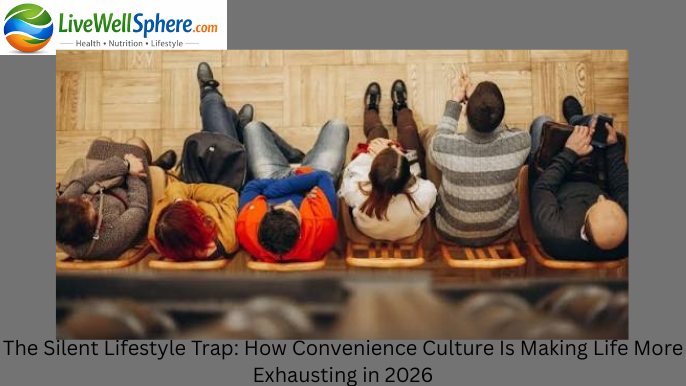
The Silent Lifestyle Trap: How Convenience Culture Is Making Life More Exhausting in 2026
Modern life has never been more convenient. Food can be delivered with a few taps, entertainment is available instantly, and artificial intelligence can complete tasks that once required hours of effort. Yet despite these advances, many people feel more overwhelmed, distracted, and exhausted than ever before.
This contradiction is becoming one of the biggest lifestyle challenges of 2026. While convenience was designed to save time and reduce stress, it has also created a culture of constant availability, instant gratification, and reduced physical activity. As a result, many individuals find themselves busier, less focused, and increasingly disconnected from healthy daily habits.
The rise of convenience culture is subtly reshaping how people work, eat, exercise, communicate, and spend their free time. Understanding its hidden effects is the first step toward building a healthier and more balanced lifestyle.

What Is Convenience Culture?
Convenience culture refers to the growing expectation that products, services, and information should be available immediately with minimal effort. From same-day deliveries to one-click purchases and AI-powered assistants, convenience has become a defining feature of modern living.
While these innovations offer undeniable benefits, they also encourage behaviors that prioritize ease over long-term well-being. Tasks that once required movement, planning, patience, or social interaction are increasingly automated or outsourced.
The result is a lifestyle that often values speed more than sustainability.
Why Life Feels Busier Despite More Convenience
One of the greatest paradoxes of modern living is that people have access to more time-saving tools than ever before, yet many report feeling constantly busy.
Several factors contribute to this phenomenon:
Endless Digital Distractions
Convenience often comes with interruptions. Notifications, emails, messages, and social media updates compete for attention throughout the day.
Rather than creating more free time, technology can fragment focus and reduce productivity.
Higher Expectations
As tasks become easier to complete, expectations rise. Employers, clients, friends, and even family members often expect faster responses and greater availability.
The time saved through convenience is frequently replaced by additional demands.
Constant Connectivity
Being connected 24/7 makes it difficult to separate work from personal life. Many individuals struggle to fully disconnect, leading to mental fatigue and lifestyle imbalance.
The Hidden Health Costs of Constant Convenience
Convenience may save effort, but it can also reduce opportunities for healthy behaviors.
Reduced Physical Activity
Walking to stores, preparing meals, and completing household tasks naturally contribute to daily movement. When everything is automated or delivered, physical activity declines.
Over time, this can increase the risk of weight gain, poor cardiovascular health, and reduced energy levels.
Increased Sedentary Time
Remote work, streaming services, and online shopping encourage long periods of sitting.
Research consistently links excessive sedentary behavior to numerous health concerns, including metabolic disorders and decreased physical fitness.
Poor Eating Habits
Convenient food options are not always nutritious. Fast food, ultra-processed snacks, and instant meals often contain excessive sugar, sodium, and unhealthy fats.
Regular reliance on these foods can negatively affect overall health and wellness.
How Convenience Is Affecting Relationships
Human relationships thrive on effort, presence, and meaningful interaction. Convenience culture can unintentionally weaken these elements.
Many conversations now occur through quick messages instead of face-to-face interactions. Social media creates the illusion of connection while reducing opportunities for deeper communication.
Family meals, community activities, and in-person gatherings are increasingly replaced by digital alternatives.
Although technology helps people stay connected across distances, genuine relationships still require time and intentional engagement.
The Rise of Passive Living
Convenience culture often encourages passive consumption rather than active participation.
Examples include:
- Watching content instead of creating it
- Ordering food instead of cooking
- Scrolling social media instead of pursuing hobbies
- Using automated solutions instead of developing new skills
Over time, passive living can reduce personal growth, creativity, and life satisfaction.
People who actively engage in learning, creating, and building meaningful experiences often report greater fulfillment and resilience.
Signs That Convenience Culture Is Controlling Your Life
You may be overly dependent on convenience if you:
- Feel uncomfortable waiting for anything
- Constantly multitask with multiple devices
- Avoid activities that require effort or patience
- Spend most of your day sitting
- Rely heavily on food delivery services
- Frequently check notifications
- Feel exhausted despite minimal physical activity
Recognizing these signs can help identify areas where healthier habits may be needed.
Simple Ways to Reclaim a Balanced Lifestyle
Fortunately, convenience itself is not the problem. The key is using it intentionally.
Schedule Technology-Free Time
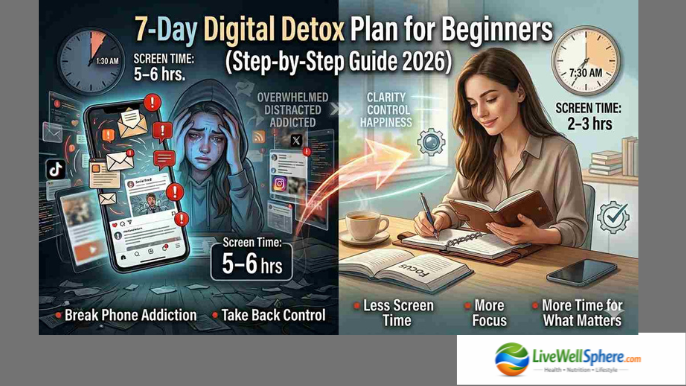
Set aside periods each day without screens or digital distractions.
Prioritize Movement
Choose opportunities to walk, exercise, or engage in physical activities whenever possible.
Cook More Meals at Home
Preparing meals encourages healthier eating habits and greater awareness of nutrition.
Practice Patience
Allow yourself to experience activities that require time and effort. Reading a book, gardening, or learning a skill can strengthen focus and resilience.
Create Boundaries
Establish clear limits between work and personal life to reduce mental overload.
Building Healthy Habits in an Age of Instant Gratification
Instant gratification has become a powerful force in modern society. However, many of life’s most rewarding achievements require consistency and patience.
Healthy habits such as exercise, proper nutrition, quality sleep, and personal development produce benefits gradually over time.
Learning to appreciate long-term progress rather than immediate results can significantly improve overall well-being.
Developing self-discipline helps individuals maintain balance in a world designed to provide constant stimulation.
The Future of Lifestyle Wellness in 2026
As awareness of digital fatigue, stress, and burnout grows, lifestyle wellness is evolving.
More people are embracing:
- Digital wellness practices
- Mindful technology use
- Slow living principles
- Work-life balance strategies
- Intentional daily routines
- Community-based activities
The future of healthy living is not about rejecting convenience entirely. Instead, it is about using modern tools wisely while preserving the habits that support physical, mental, and emotional health.
Conclusion
Convenience culture has transformed modern life in remarkable ways, but it also carries hidden costs. While technology and automation make many tasks easier, they can contribute to stress, inactivity, distraction, and reduced life satisfaction when used without intention.
Creating a balanced lifestyle in 2026 requires more than simply embracing convenience. It requires conscious choices that prioritize health, meaningful relationships, personal growth, and overall well-being.
By becoming aware of the silent lifestyle trap of convenience culture, individuals can take control of their habits and build healthier, more fulfilling lives in an increasingly automated world.