The Dangerous Rise of Screen Addiction in 2026 and How Digital Wellness Can Save Your Health
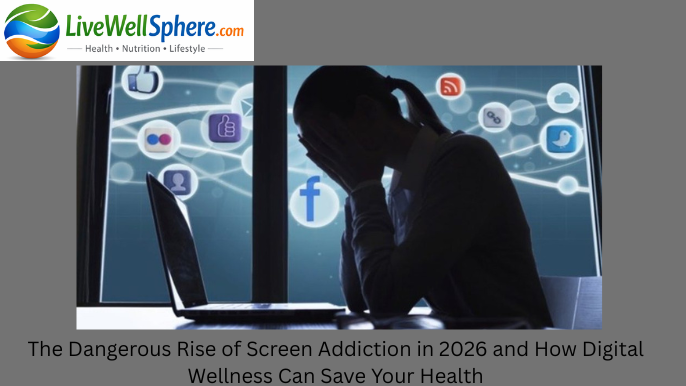
Technology has transformed modern life, but in 2026, excessive screen exposure is becoming one of the biggest hidden health threats worldwide. Many people spend hours every day scrolling social media, watching videos, replying to notifications, and switching endlessly between apps. While digital tools improve convenience and productivity, overuse can seriously affect mental, emotional, and physical well-being.
Digital wellness is now more important than ever. Learning how to create healthier technology habits can help protect your focus, sleep, relationships, and overall quality of life.

What Is Digital Wellness?
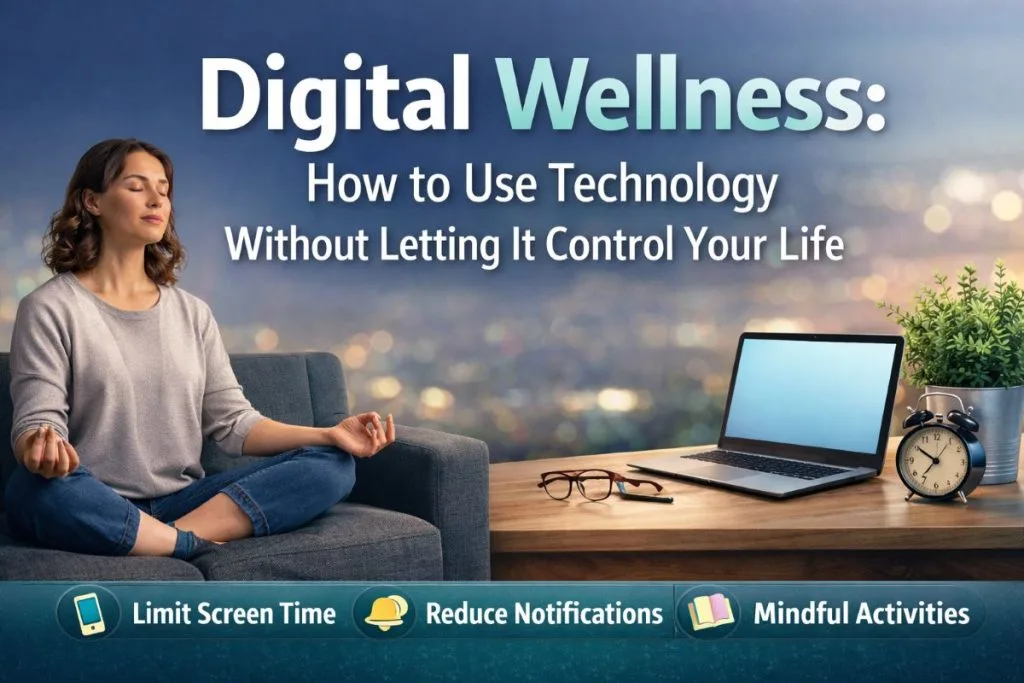
Digital wellness refers to using technology in a balanced and healthy way that supports your well-being rather than harming it. It focuses on building mindful digital habits and reducing the negative effects of excessive screen time.
Digital wellness includes:
- Healthy screen time management
- Reducing digital distractions
- Protecting mental health online
- Improving sleep habits
- Creating better social media boundaries
- Balancing online and offline life
As digital devices become more integrated into daily routines, digital wellness is quickly becoming a core part of healthy living.
Why Screen Addiction Is Growing in 2026
Modern apps and platforms are carefully designed to keep users engaged for longer periods. Endless scrolling, autoplay videos, AI recommendations, and constant notifications can make it difficult to disconnect.
Several factors are contributing to rising screen addiction:
Endless Social Media Content
Platforms continuously provide personalized content that keeps users scrolling for hours without realizing how much time has passed.
Remote Work and Online Learning
Many people now spend most of their day in front of screens for work, school, meetings, and communication.
Fear of Missing Out (FOMO)
People often feel pressure to stay constantly connected to avoid missing updates, trends, or social interactions.
Short-Form Content Addiction
Quick videos and rapid content stimulation reduce attention spans and increase dependency on instant entertainment.
The Hidden Health Effects of Too Much Screen Time
Excessive screen exposure can negatively affect multiple areas of health.
Mental Fatigue
Constant digital stimulation can overload the brain and reduce mental clarity.
Sleep Problems
Blue light from phones and computers interferes with melatonin production, making it harder to fall asleep naturally.
Increased Anxiety
Social comparison, online negativity, and information overload may increase stress and emotional exhaustion.
Reduced Productivity
Frequent notifications and multitasking interrupt concentration and lower work efficiency.
Physical Health Issues
Long hours sitting with devices may contribute to poor posture, headaches, neck pain, and reduced physical activity.
10 Effective Digital Wellness Habits for a Healthier Life
1. Start Your Morning Without Your Phone
Avoid checking notifications immediately after waking up. Give your mind time to wake up naturally.
2. Turn Off Unnecessary Notifications
Too many alerts increase distractions and stress throughout the day.
3. Schedule Daily Digital Breaks
Even short breaks from screens can improve mental focus and reduce eye strain.
4. Create Device-Free Zones
Keep phones away from dining tables and bedrooms to encourage healthier routines.
5. Limit Social Media Usage
Set realistic daily limits for social media platforms to prevent endless scrolling.
6. Practice Mindful Technology Use
Before opening an app, ask yourself whether it serves a useful purpose.
7. Spend More Time Outdoors
Nature and physical activity help reset the brain from digital overstimulation.
8. Protect Your Sleep
Avoid screens at least one hour before bedtime to improve sleep quality.
9. Clean Your Digital Environment
Unfollow toxic accounts and organize your digital spaces to reduce negativity.
10. Prioritize Real-Life Relationships
Face-to-face interaction improves emotional well-being more than online engagement alone.
How Digital Wellness Improves Mental Health
Healthy digital habits can lead to major improvements in emotional and mental wellness.
Benefits include:
- Better focus and concentration
- Reduced stress levels
- Improved sleep quality
- Higher productivity
- Better emotional balance
- Stronger real-world relationships
- Increased happiness and mindfulness
Small daily adjustments can create long-term mental health improvements.
Digital Wellness Tips for Students and Professionals
Students and workers are among the most affected by digital overload in 2026. Here are practical strategies:
For Students
- Use study timers to avoid burnout
- Keep phones away during study sessions
- Avoid late-night scrolling before exams
For Professionals
- Schedule screen-free breaks during work
- Reduce unnecessary meetings
- Use focus modes while working
Creating boundaries with technology improves performance and reduces burnout.
The Future of Digital Wellness
As artificial intelligence, smart devices, and digital platforms continue growing, digital wellness will become essential for maintaining a healthy lifestyle.
People are beginning to understand that true wellness includes not only physical fitness and nutrition but also a healthy relationship with technology.
Digital wellness is no longer a trend. It is a necessary life skill for modern living.
Final Thoughts
The rise of screen addiction in 2026 is affecting millions of people worldwide. Constant connectivity may quietly damage sleep, focus, mental health, and productivity. However, building healthier digital habits can help restore balance and improve overall well-being.
Technology should support your life, not control it. By practicing digital wellness daily, you can protect your mind, strengthen your health, and enjoy a more balanced future.