
The Hidden Cost of Attention Fragmentation: How Constant App Switching Is Damaging Focus in 2026
In 2026, staying connected has become easier than ever. Smartphones, social media platforms, messaging apps, AI assistants, and productivity tools help us work, learn, and communicate instantly. However, this constant connectivity comes with a hidden cost: attention fragmentation.
Many people switch between apps dozens or even hundreds of times each day without realizing the impact. A quick glance at a notification can turn into several minutes of scrolling, checking messages, watching videos, or responding to emails. Over time, these interruptions make it harder to focus, think deeply, and complete important tasks.
Attention fragmentation is emerging as one of the biggest digital wellness challenges of 2026. Understanding its effects is the first step toward reclaiming your focus and improving your overall well-being.

What Is Attention Fragmentation?
Attention fragmentation occurs when your focus is repeatedly interrupted and divided among multiple digital activities. Instead of concentrating on one task, your brain constantly shifts between different sources of information.
For example, you may be:
- Writing a report
- Checking email notifications
- Responding to chat messages
- Browsing social media
- Watching short-form videos
- Reading online articles
Each switch requires your brain to adjust and refocus. While these interruptions may seem small, they add up throughout the day and reduce your ability to maintain deep concentration.
Why Modern Apps Compete for Your Attention
Most digital platforms are designed to maximize engagement. Notifications, personalized content feeds, and endless scrolling features encourage users to spend more time on their devices.
Common attention triggers include:
- Push notifications
- Breaking news alerts
- Social media updates
- AI-generated recommendations
- Email alerts
- Messaging app notifications
These features are not inherently harmful, but when they constantly interrupt your workflow, they create a cycle of distraction that becomes difficult to break.
The Science Behind Constant Context Switching
The human brain performs best when it focuses on one meaningful task at a time. Every time you switch from one activity to another, your brain must redirect mental resources.
This process, known as context switching, creates cognitive costs such as:
Reduced Productivity
Frequent interruptions slow down task completion. Even short distractions can significantly extend the time needed to finish complex work.
Increased Mental Fatigue
Constantly shifting attention requires energy. By the end of the day, many people feel exhausted despite not performing physically demanding activities.
Lower Quality Thinking
Deep thinking, creativity, and problem-solving require sustained focus. Fragmented attention makes it harder to develop ideas and make thoughtful decisions.
More Mistakes
When attention is divided, errors become more common. Missed details, forgotten tasks, and misunderstandings often result from constant interruptions.
How Attention Fragmentation Affects Mental Health
Digital wellness is about more than productivity. Attention fragmentation can also affect emotional well-being.
Higher Stress Levels
A steady stream of notifications creates a sense of urgency. Many people feel pressured to respond immediately, leading to chronic stress.
Increased Anxiety
Constant digital stimulation can make it difficult to relax. Some individuals become anxious when separated from their devices, even for short periods.
Reduced Mindfulness
When attention is always pulled in multiple directions, it becomes harder to stay present and enjoy everyday experiences.
Poor Sleep Quality
Late-night app switching and excessive screen use can interfere with healthy sleep patterns, making it harder to recover mentally and physically.
Signs Your Focus Is Being Damaged
You may be experiencing attention fragmentation if you frequently:
- Check your phone without a clear reason
- Struggle to complete tasks without interruptions
- Feel mentally exhausted after screen time
- Jump between multiple apps within minutes
- Find it difficult to read long articles or books
- Lose track of what you were doing
- Constantly multitask throughout the day
Recognizing these patterns is an important step toward building healthier digital habits.
7 Practical Ways to Rebuild Deep Focus
1. Turn Off Non-Essential Notifications
Not every alert deserves immediate attention. Disable notifications that do not directly support your priorities.
2. Schedule Device-Free Work Sessions
Set aside dedicated periods for focused work without checking apps or messages.
3. Use One Screen at a Time
Avoid switching between multiple devices whenever possible. Focusing on a single screen reduces distractions.
4. Practice Mindful Technology Use
Before opening an app, ask yourself why you are using it and what you hope to accomplish.
5. Create Digital Boundaries
Establish specific times for checking emails, social media, and messages rather than responding throughout the day.
6. Take Regular Breaks
Short breaks help your brain recover and maintain concentration over longer periods.
7. Prioritize Deep Work
Reserve your most productive hours for important tasks that require creativity, learning, or problem-solving.
Creating a Digital Wellness Routine for 2026
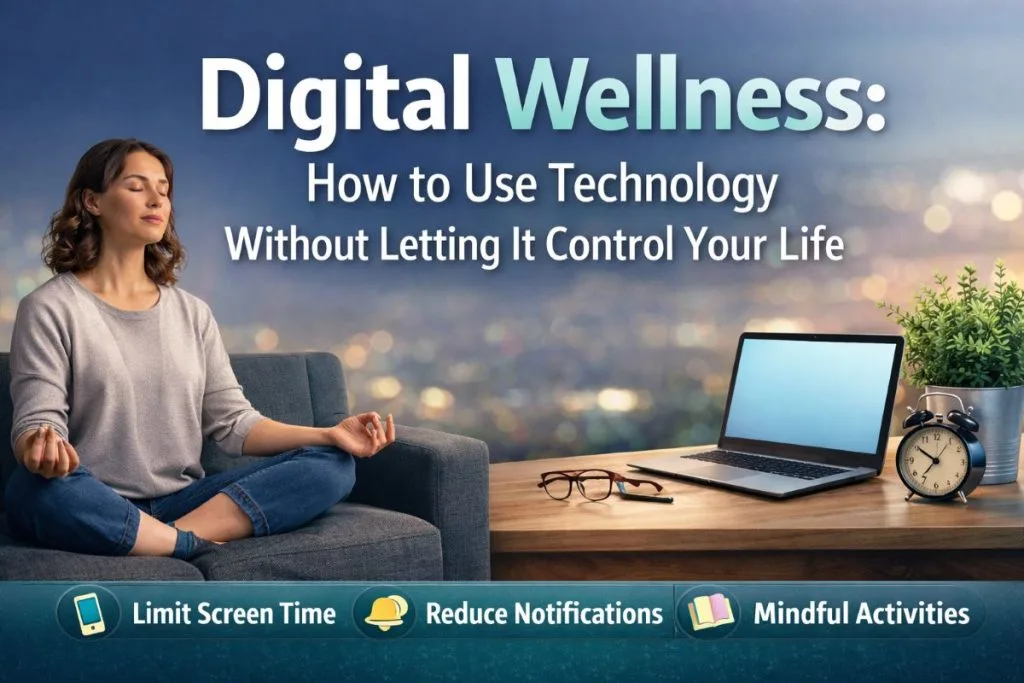
Building a healthier relationship with technology does not mean abandoning digital tools. Instead, it involves using them intentionally.
A simple digital wellness routine might include:
- Starting the day without checking social media
- Limiting notification interruptions
- Scheduling focused work periods
- Taking regular screen breaks
- Setting device-free times before bed
- Tracking daily screen time habits
Small changes practiced consistently can lead to significant improvements in focus, productivity, and mental well-being.
Final Thoughts
Attention is one of your most valuable resources. In a world filled with endless notifications, personalized feeds, and constant digital stimulation, protecting your focus has become an essential part of digital wellness.
The hidden cost of attention fragmentation is often overlooked, but its effects on productivity, mental health, and quality of life are real. By reducing unnecessary app switching and creating healthier technology habits, you can regain control of your attention and enjoy a more balanced, focused, and fulfilling life in 2026.